

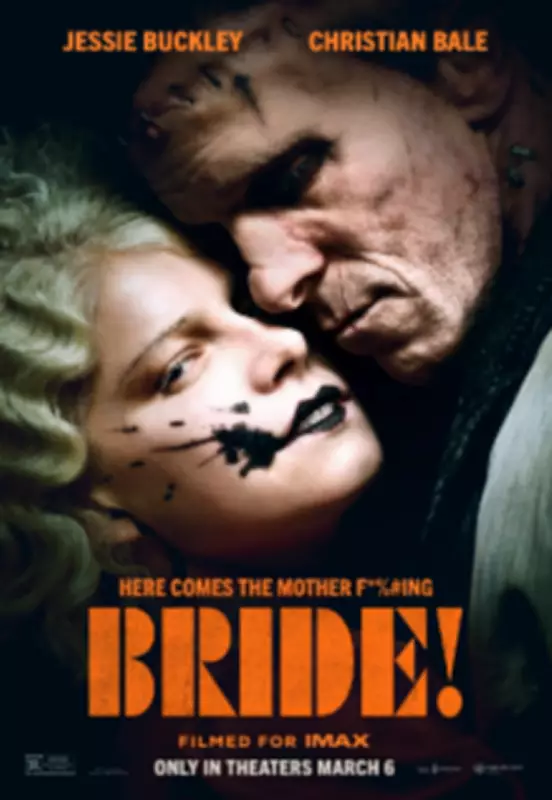
The Bride Movie Review: A Bold Feminist Vision with Narrative Challenges
Maggie Gyllenhaal's highly anticipated feminist reimagining of The Bride of Frankenstein has arrived, delivering a powerful and radical cinematic experience that, while ambitious, occasionally struggles with narrative coherence. Released on March 6, 2026, this English-language film blends romance, drama, sci-fi, and horror into a unique gothic tapestry that has earned a 3.5 rating from both critics and audiences.
A Modern Take on Classic Gothic Themes
Set in the 1930s, The Bride occupies a creative space reminiscent of Joker: Folie à Deux, focusing on two damaged beings who find solace in each other while confronting a hostile world. Like the Joker and Harley Quinn dynamic, this film explores deep-seated trauma, male loneliness, and the suppression of female voices within patriarchal structures.
Director Maggie Gyllenhaal creates a universe that is simultaneously feminist, punk, gothic, and violent, yet remarkably empathetic. While sharing the anarchic spirit of the Joker franchise, The Bride carries a sharper, more self-aware edge that distinguishes it from previous adaptations.

Standout Performances Anchor the Film
Christian Bale delivers a remarkable performance as Frankenstein's monster, a character who has lived for over a century and desperately seeks companionship. Bale masterfully portrays the monster's loneliness, his profound need for connection, and his growing self-awareness, creating a character that is both monstrous and deeply human.
Jessie Buckley shines as the titular Bride, serving as the emotional core of the film. Portraying both Mary Shelley and the Bride, Buckley delivers electrifying monologues that leave audiences with goosebumps. Her performance is nothing short of a force of nature, and the film rightfully belongs to her character's journey of self-discovery.
Ambitious Storytelling with Occasional Incoherence
While The Bride surpasses Joker: Folie à Deux in imaginative scope and theatrical boldness, embracing a Broadway-infused narrative style, its storytelling occasionally veers into incoherence. The film brims with solid ideas about female autonomy and societal structures, but seems uncertain at times about how to fully express these concepts.
Beneath the chaotic surface lies a compelling love story set in a world where the so-called monsters demonstrate more conscience than the men who govern society. The film's central message—that women are complete in themselves and need not belong to anyone to validate their existence—comes through powerfully, even when the narrative structure falters.
Technical Excellence and Thematic Depth
The hair and makeup department deserves special praise for their exceptional work in bringing these iconic characters to life. The film's visual aesthetic successfully blends gothic romance with gangster drama elements, creating a distinctive atmosphere that supports its thematic concerns.
Despite its imperfections, The Bride leaves a lasting impression through its bold feminist perspective, strong lead performances, and willingness to tackle complex themes. While the narrative may occasionally lose its way, the film's emotional core and thematic resonance ensure it remains a significant addition to the Frankenstein adaptation canon.
Ultimately, Maggie Gyllenhaal's The Bride represents a provocative and relevant contribution to contemporary cinema, offering a fresh perspective on classic themes while showcasing exceptional performances from its talented cast.

