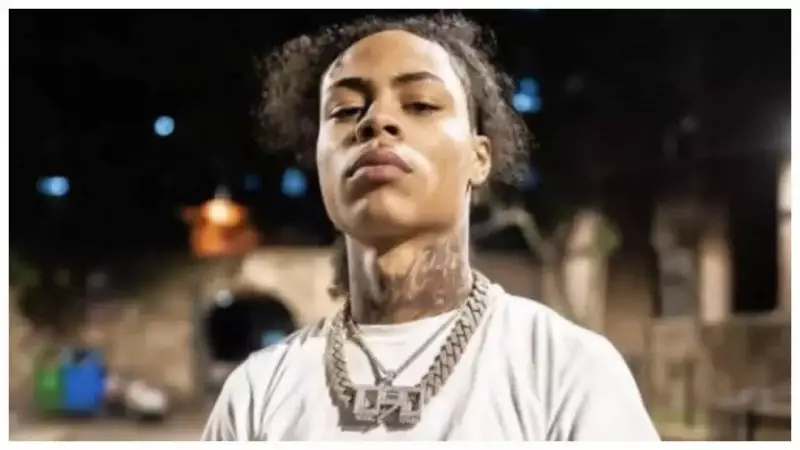
In a case that has sent shockwaves through the music industry, a rising star of the New York drill rap scene has been handed a lengthy prison term. Rapper Kay Flock, whose real name is Kevin Perez, was sentenced on Tuesday to 30 years in prison for his involvement in a series of violent shootings in the Bronx. The sentence effectively ends a music career that was gaining significant momentum before his arrest in 2021.
Judge Condemns Cycle of Violence and Lack of Remorse
U.S. District Judge Lewis J. Liman delivered the sentence, strongly criticising the 22-year-old for the message he sent to his young followers. The judge pointed to a violent spree from 2020 to 2021 that prosecutors said resulted in dozens of people being shot at, injured, or killed on Bronx streets. Judge Liman stated that Perez, through his actions and social media, helped create a destructive cycle.
"You taunted, you celebrated and you helped create a cycle of violence," Liman said during the sentencing. He noted that Perez bragged online about being exonerated on a top count and posted "KILL ALL RATS" on Instagram after a trial where fellow gang members testified against him.

While acknowledging Perez as a "man of promise," the judge deemed the lengthy sentence necessary for the four separate shootings that injured multiple people. These crimes occurred while Perez led a gang known as "Sev Side/DOA." He was convicted in March on charges including racketeering conspiracy and attempted murder.
The judge also highlighted Perez's apparent lack of concern for his victims. "To date, you've shown no real remorse for your conduct," Liman stated, despite the rapper's plea for a second chance in court.
Rapid Rise in Drill Rap Scene Cut Short
Kay Flock's musical ascent was swift. In November 2021, following the release of his debut album "The D.O.A. Tape," he was named Billboard Magazine's R&B/Hip-Hop Rookie of the Month. This recognition cemented his status as a formidable newcomer in the gritty world of New York drill rap, a genre often characterised by lyrics detailing street life and violence.
Prosecutors argued that Perez leveraged this very violence to boost his career. In their sentencing brief, they claimed he "used violence to further his career" after signing with a music label. Assistant U.S. Attorney Patrick R. Moroney, who sought a 50-year sentence, told the court, "He was very good at celebrating his violence and getting under the skin of his rivals." The prosecution accused him of encouraging violence through private messages as well.
Defense Cites Troubled Upbringing, Judge Acknowledges Context
Defense attorney Michael Ashley painted a different picture, asking Judge Liman for the mandatory minimum sentence of 10 years. He argued that his client grew up in one of America's most dangerous neighbourhoods and fell under the influence of an older man who encouraged gang activity.
Perez himself appealed to the court, stating, "What I was at 18 is not what I am today. I was just a kid. Didn't really know better." He insisted he had changed and that everyone deserves a second chance.
Judge Liman said he did consider the context, noting that Perez's crimes occurred while his brain was "still evolving and maturing" and that six of his friends died from gun violence before he turned 18. "The life of the street, it seems to me, is all you've ever known," the judge remarked. However, these factors were ultimately outweighed by the severity and brazen nature of the crimes.
The case highlights the ongoing tension between artistic expression rooted in real-life trauma and the consequences of actual violence, leaving the future of a once-promising artist behind bars.