The year 2026 has barely begun, but it has already delivered one of its most compelling series. Freedom At Midnight Season 2, now streaming on SonyLIV, masterfully continues the sprawling historical epic, earning a solid 3.5 out of 5 stars in a review by Shubhra Gupta published on January 9, 2026. The series manages a delicate balancing act, treating its weighty subject matter with the seriousness it deserves while avoiding becoming overly burdensome, skillfully laced with moments of levity.
A Humanizing Look at Historical Giants
The second season of this adaptation of Larry Collins and Dominique Lapierre's book brings alive the conflicting threads of urgency, tragedy, and hope within the newly-created nation of India. While covering well-documented history, the series becomes essential viewing through its powerful recreation of those tumultuous years.
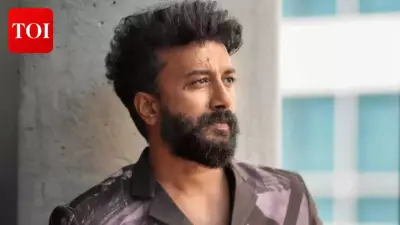
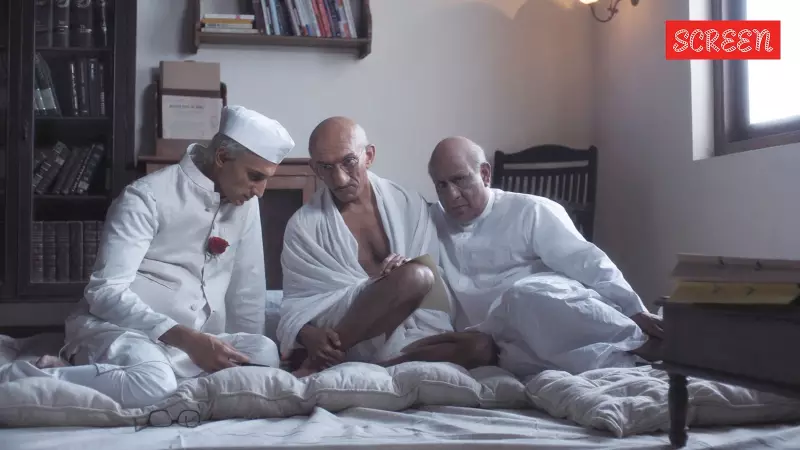
The fine ensemble cast is spearheaded by Sidhant Gupta as Jawaharlal Nehru, Chirag Vohra as Mahatma Gandhi, and Rajendra Chawla as Sardar Patel. They receive terrific support from Arif Zakaria as Mohammad Ali Jinnah, KC Shankar as V.P. Menon, and Luke McGibney and Cordelia Bugeja as Lord and Lady Mountbatten.

The review highlights a particularly powerful scene where Nehru sits alone in a large room after a contentious meeting with Patel. This moment of solitude, in a series filled with conversation, carries significant weight, allowing viewers to reflect on the immense difficulty of achieving freedom.
Refined Storytelling and Pivotal Events
The series irons out some niggles from the first season. The sometimes-overpowering background music recedes, and Vohra's sing-song lilt as Gandhi is less pronounced. More importantly, the jousting between principal characters reveals their human, fallible sides beneath their historical stature.
Season 2 picks up where the first ended, diving into the heart-wrenching process of Partition. It depicts Lord Mountbatten instructing Cyril Radcliffe to draw the dividing lines on the map—a task that led to the near-impossible division of land, property, and, most tragically, people who had coexisted for centuries.
The narrative does not shy away from the harrowing consequences. It shows massacres on trains carrying refugees and rioting in Calcutta, with mounting deaths. The series portrays Gandhi as the adamant peacenik brokering a heavy peace, while also following the crafty Patel and the imperturbable Menon as they work to integrate the reluctant princely states, a thread infused with a lighter, sometimes humorous touch.
Complex Threads and Lasting Legacies
Kashmir receives a dedicated chapter, detailing Maharaja Hari Singh's vacillation until his point of no return, leading to the instrument of accession with India. The series underscores the rising tensions between Nehru and Patel, tensions only resolved by Gandhi's fast-unto-death, prompting fascinating speculation on how the nation's path might have differed.
The assassination of Mahatma Gandhi is handled with narrative choice, giving significant space to a lesser-known conspirator while confining Nathuram Godse largely to a flash. This approach, whether voluntary or pragmatic, adds to the series' layered storytelling.
Ultimately, Freedom At Midnight Season 2 succeeds in sustaining a tone that is serious yet not heavy, engaging viewers with a pivotal chapter in history. It stands out as a brilliantly crafted, powerfully moving depiction of the backstories behind one of the world's most striking freedom struggles, making it a strong contender for one of the year's best series.