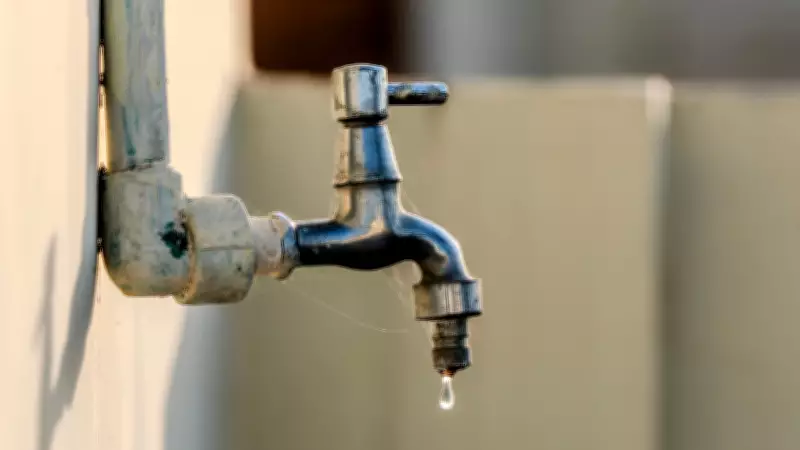
While leaking kitchen or toilet taps may seem like minor domestic issues, they can waste hundreds of gallons of water annually and gradually increase water bills. Leaking mixer taps, bathroom faucets, or toilet taps are typically caused by loose connections, worn-out washers, dirt accumulation, calcium deposits, or faulty tap cartridges. The good news is that most common water leakage problems can be handled at home without calling a plumber, using simple household tools and techniques. This saves unnecessary plumbing costs and prevents risks associated with pipe leakages.
5 Simple Hacks to Stop a Tap from Leaking
Here are five effective DIY hacks to fix a leaking tap without spending money:
1. Tighten Loose Parts
Often, a loose handle or nut causes water to drip slowly. First, shut off the water supply using the valve under the sink or the stopcock. Then, use a screwdriver or adjustable spanner to tighten visible screws or fittings. Avoid overtightening to prevent damage. Sometimes, adjusting the cartridge or a hidden grub screw can immediately stop the drip.

2. Clean the Tap Cartridge
Modern taps often have ceramic cartridges instead of rubber washers. Dirt or small particles can hinder proper sealing. Remove the cartridge, rinse it with clean water, and wipe away limescale or debris with an old toothbrush or cloth. Reassemble and test the tap. This is a common fix for leaks after installation.
3. Reposition or Replace the Rubber Washer
Traditional compression taps use a small rubber washer to control water flow. Over time, the washer may shift or wear unevenly. Open the tap with simple tools and check the washer. Sometimes flipping or repositioning it solves the problem. Worn washers are a frequent cause of leaks.
4. Use Plumber’s Tape on Thread Leaks
If water drips around thread fittings, apply plumber’s tape (often found in toolboxes) to improve the seal. Wrap the tape around the threads before reconnecting fittings. This can stop drips without replacing any parts.
5. Reduce Water Pressure and Check Isolation Valve
High water pressure can force water past old seals and washers. Slightly close the isolation valve under the sink to lower pressure. Test the tap; if dripping stops, excess pressure was the cause. Also, ensure taps are drained before repairing, especially ceramic disc taps.
Why a Dripping Tap Should Never Be Ignored
A leaking tap is more than an annoyance. According to research from the Institute of Technology & Research, Badnera, a single slow-dripping tap can waste up to 75,000 litres of water per year—enough to fill over one bathtub every week. Leaks commonly stem from damaged washers, worn O-rings, or faulty cartridges. In many cases, home repairs can fix the problem without replacing the entire tap.
By addressing leaks promptly, you save water and prevent potential damage to sinks, countertops, and bathroom fixtures. If dripping persists after these efforts, consider replacing the washer or cartridge. Remember, a little tinkering, cleaning, or tightening can often eliminate the drip without professional help.