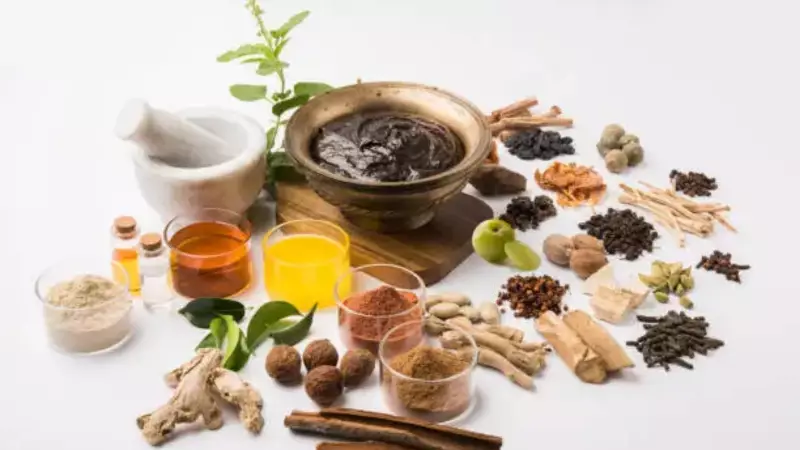
As the winter season sets in, bringing with it cooler temperatures and a higher susceptibility to seasonal ailments, turning to ancient wisdom for health guidance becomes particularly relevant. Ayurveda, India's traditional system of medicine, offers a treasure trove of dietary advice tailored to seasonal changes. It emphasizes consuming specific foods during winter that not only provide warmth but also significantly strengthen the body's natural defense mechanisms.
Why Winter is Crucial for Immunity Building
According to Ayurvedic principles, winter is considered a powerful season for building strength and resilience. The cool, damp weather can aggravate certain bodily energies, or doshas, making the body more vulnerable. However, this same season provides an excellent opportunity to nourish the body deeply. Consuming the right immunity-boosting foods can help balance the system, generate internal heat, and create a robust shield against common colds, coughs, and flu. This proactive approach to health is a cornerstone of preventive Ayurvedic care.
Six Essential Ayurvedic Superfoods for the Cold Months
Ayurvedic experts recommend incorporating a variety of specific foods into your daily diet during winter. These items are celebrated not just for their nutritional value but for their medicinal properties that align with seasonal needs.

1. Ginger (Adrak): A quintessential winter spice, ginger is a powerhouse for health. Its potent heating quality is excellent for kindling the digestive fire, known as Agni in Ayurveda. Ginger helps in clearing congestion, improving circulation, and fighting off respiratory infections. Consuming fresh ginger tea or adding grated ginger to meals can provide immediate warming relief and boost your immunity effectively.
2. Turmeric (Haldi): Revered as a golden healer, turmeric's active compound, curcumin, is a renowned anti-inflammatory and antioxidant agent. In winter, it helps in reducing joint stiffness often exacerbated by the cold and bolsters the immune response. A daily glass of warm haldi doodh (turmeric milk) is a classic and potent Ayurvedic remedy for maintaining overall wellness and fighting pathogens.
3. Ghee (Clarified Butter): Pure desi ghee is considered one of the most nourishing and wholesome fats in Ayurveda. It is a Rasayana (rejuvenating substance) that lubricates the joints, improves digestion by enhancing Agni, and facilitates the absorption of fat-soluble vitamins. A teaspoon of warm ghee with meals or in herbal preparations helps nourish the body's deep tissues and supports a strong immune system from within.
4. Jaggery (Gur): A natural sweetener made from sugarcane or date palm, jaggery is an excellent alternative to refined sugar, especially in winter. It is rich in iron and generates heat in the body. Jaggery aids in cleansing the respiratory tract and is often paired with ginger or sesame seeds to create warming snacks that help combat cold weather and enhance natural immunity.
5. Dry Fruits and Nuts (Mewa): Almonds, walnuts, dates, and figs are highly recommended in the winter diet. These energy-dense foods provide essential fatty acids, vitamins, and minerals. Soaked almonds, in particular, are easier to digest and release their nutrients more effectively. A handful of mixed dry fruits daily offers sustained energy, warmth, and strengthens the body's core vitality, which is crucial for immune function.
6. Seasonal Root Vegetables: Winter harvests like sweet potatoes, carrots, beetroots, and radishes are packed with beta-carotene, vitamins, and fiber. According to Ayurveda, these grounding vegetables help balance the airy and cold qualities of the season. They support digestion, provide lasting energy, and their nutrients play a direct role in building white blood cells, the soldiers of the immune system.

Integrating Ayurvedic Wisdom into Your Daily Routine
Adopting these Ayurvedic winter foods is about more than just occasional consumption; it's about mindful integration into your daily meals. Start your day with warm water and ginger. Cook your vegetables with turmeric and spices like cumin and black pepper to enhance bioavailability. Use ghee for cooking or as a finishing drizzle. Replace your evening sugar snack with a piece of jaggery or a few dry fruits.
Ayurveda also stresses the importance of proper food combinations and eating warm, freshly cooked meals during winter to maintain a strong digestive fire, which is considered the root of all immunity. When digestion is robust, the body can efficiently absorb nutrients and eliminate toxins, leading to better overall health.
By embracing these time-tested dietary principles, you can navigate the winter season with greater vitality and resilience. This natural approach to winter wellness empowers you to take charge of your health, using the bounty of nature to build a strong and responsive immune system capable of warding off seasonal challenges.