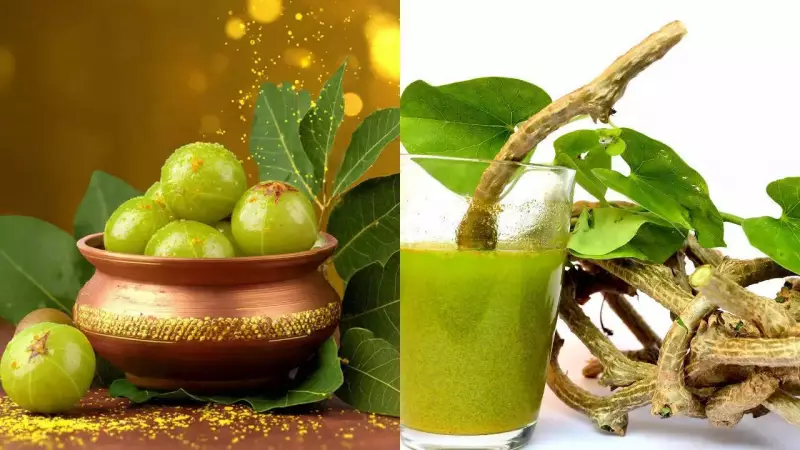
For centuries, Ayurveda has offered natural solutions for chronic conditions like diabetes. Today, two powerful herbal juices—Amla (Indian gooseberry) and Giloy (Tinospora cordifolia)—stand at the forefront of this ancient wisdom for modern blood sugar management. While both are celebrated for their glucose-regulating properties, choosing between them depends on individual health needs, such as combating oxidative stress or improving insulin sensitivity.
Nutritional Powerhouses: Amla vs Giloy
Understanding the nutrient profile of each juice is key to appreciating their therapeutic effects. Amla juice is a phenomenal source of Vitamin C, providing between 600 to 900 milligrams per 100ml serving. This is significantly higher than most fruits. Additionally, every 100ml offers about 1.2mg of iron, 25mg of calcium, 3.4g of dietary fiber, and a rich concentration of polyphenols and antioxidants. These compounds are crucial for fighting oxidative stress, a major contributor to diabetes complications.
On the other hand, Giloy juice presents a different nutritional matrix. Per 100ml, it contains approximately 3.34g of carbohydrates, 4.13g of protein, 3.12g of fat, and a substantial 16.19g of fiber. Its vitamin C content is around 4.44mg. More importantly, Giloy is packed with bioactive compounds like alkaloids, flavonoids, tannins, and saponins, which collectively support metabolic health and immune function.

Health Benefits for Diabetes Management
The Amla Advantage
Amla works through multiple mechanisms to control diabetes. Its high soluble fiber content slows down the absorption of glucose in the intestines, preventing sudden spikes in blood sugar. The potent antioxidants in Amla, which are believed to be more powerful than those in blueberries, help boost insulin secretion and sensitivity. Clinical evidence shows that regular consumption can lead to significant reductions in fasting blood glucose and improved lipid profiles in type 2 diabetes patients over a 12-week period.
The Giloy Edge
Giloy shines in enhancing the body's response to insulin. It helps stabilize blood sugar levels by improving insulin sensitivity in the cells. Furthermore, it reduces oxidative stress and chronic inflammation, two key factors behind insulin resistance. Giloy also supports liver function, which is vital for proper glucose metabolism, and may help prevent diabetic complications like neuropathy.
What Scientific Studies Reveal
Robust research backs the efficacy of both herbs. A study on Amla demonstrated that its co-treatment normalized blood sugar, hepatic enzymes, and insulin levels in arsenic-induced diabetic mice, highlighting its hypoglycemic and antioxidant actions. In human trials, doses of 1 to 3 grams of Amla powder daily led to significant reductions in both fasting and 2-hour postprandial blood glucose within 21 days.
For Giloy, research is equally compelling. A dosage of 400-800mg/kg of Giloy leaf powder caused a significant drop in blood glucose in type 2 diabetic models. In a notable human study, Giloy extract used as an add-on therapy (500mg, thrice daily for 6 months) significantly lowered fasting glucose, post-meal glucose, and long-term HbA1c levels compared to medication alone. Another study found Giloy inhibited the alpha-glucosidase enzyme by 100% in rats, aiding in better post-meal glucose control.
How to Use Them Safely
For Amla juice, blend two fresh Amlas with water, strain, and add a pinch of black salt or turmeric. A dose of 20-30ml consumed on an empty stomach daily is recommended for diabetics. It is crucial to monitor blood sugar levels regularly to avoid episodes of hypoglycemia.
To prepare Giloy juice, peel and blend the stems with water, then strain it. A 30ml dose, taken twice daily before meals, is typical. For enhanced effects, it can be mixed with Tulsi (holy basil) or neem juice. Consulting a doctor is essential, especially if you are already on diabetes medications, to prevent any adverse interactions.

Final Verdict: Which One Should You Choose?
So, which Ayurvedic juice is superior for diabetes? The answer is not one-size-fits-all. Giloy may have a slight edge for individuals focusing on improving insulin sensitivity and reducing inflammation, particularly in the early stages of type 2 diabetes. Conversely, Amla excels with its superior antioxidant power and is excellent for lipid control and direct glucose reduction in more advanced cases.
Interestingly, combining both as a Giloy-Amla juice may offer synergistic benefits, harnessing the strengths of each. However, it is paramount to remember that neither Amla nor Giloy is a replacement for prescribed diabetes medication. They should be considered as supportive adjuncts to a balanced diet and medical treatment. Always monitor your blood sugar levels closely and seek professional advice before starting any new herbal regimen.