Assam's Indigenous Tribe Holds Key to Future Medicines with 39 Healing Plants
A groundbreaking study has uncovered that the traditional healing practices of the Sonowal Kachari tribe in Assam could provide vital clues for developing future medicines. Researchers have identified 39 distinct plants utilized by this indigenous community to treat a wide range of ailments, from common issues like fever and cough to more complex conditions such as kidney stones and skin diseases.
Comprehensive Research and Methodology
The research, conducted in the Lakhimpur district of Assam, was carried out by Pramod Chandra Dihingia from Nagaland University and Deepika Borah of the Indian Council of Medical Research (ICMR) in Dibrugarh. Their findings have been published in the prestigious Journal of Ayurveda and Integrative Medicine, adding significant weight to the study's credibility.
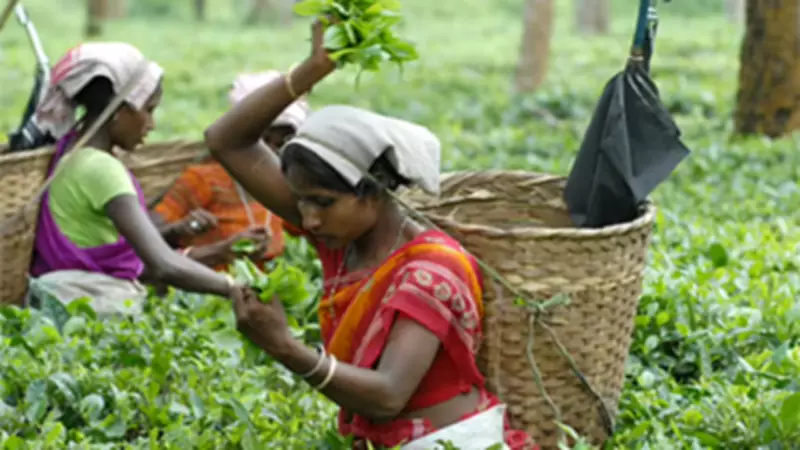
To document the community's herbal knowledge, the researchers engaged in face-to-face interviews with 180 tribal elders, all aged 50 years and above. This extensive fieldwork took place between April 2022 and November 2023, ensuring a thorough and authentic collection of traditional medicinal practices passed down through generations.

Key Medicinal Plants and Their Uses
The study highlights several plants commonly used by the Sonowal Kachari community for therapeutic purposes. Notable examples include:
- Acorus calamus: Employed for treating cough and fever.
- Aegle marmelos (bael): Used to address dysentery.
- Aloe vera: Applied for burns and various skin diseases.
- Azadirachta indica (neem): Utilized to combat infections.
- Bryophyllum pinnatum: Administered for kidney stones.
Other plants documented in the research include Bacopa monnieri (brahmi), Andrographis paniculata (kalmegh), Cassia tora, and Cinnamomum tamala. These are traditionally used for digestive disorders, liver ailments, and skin problems, showcasing the diversity of the tribe's herbal repertoire.
In terms of plant parts, leaves were the most commonly utilized, accounting for more than half of the remedies. This was followed by roots, fruits, and flowers. The majority of these medicinal plants were herbs, with others including trees, climbers, and shrubs, reflecting the rich biodiversity of the region.
Expert Insights on Traditional Knowledge
Experts emphasize that such indigenous knowledge could be instrumental in identifying new treatments if studied systematically. Professor Pradeep Kumar Prajapati, director of the All India Institute of Ayurveda (AIIA) under the Ministry of Ayush, highlighted that India's tribal communities possess a wealth of knowledge about using plants and natural resources to treat diseases. This expertise has been developed over generations through their intimate interaction with forests and biodiversity.
"Documenting and studying these practices is crucial because they can help scientists discover new medicines. In fact, many modern drugs were first identified from plants used in traditional healing," Prajapati stated. However, he added a note of caution, stressing that such remedies must undergo rigorous scientific evaluation before wider adoption. "Traditional knowledge needs to be studied with modern scientific methods to establish safety and effectiveness. This can lead to new treatments and also strengthen confidence in traditional medicine."
Global Relevance and Preservation Challenges
The researchers also noted that herbal medicine continues to meet the healthcare needs of nearly 80% of the world's population, particularly in rural areas where access to modern medical facilities may be limited. This underscores the global significance of such traditional practices.

However, the study issues a stark warning: traditional medicinal knowledge is gradually disappearing due to factors such as social change, deforestation, and declining interest among younger generations. The authors highlight an urgent need to document and preserve these indigenous medicinal practices, which have been passed down orally for centuries. Without concerted efforts, this invaluable heritage could be lost forever, depriving future generations of potential medical breakthroughs.
This research not only sheds light on the therapeutic potential of Assam's flora but also calls for immediate action to safeguard the wisdom of indigenous communities, ensuring it can contribute to modern healthcare advancements.