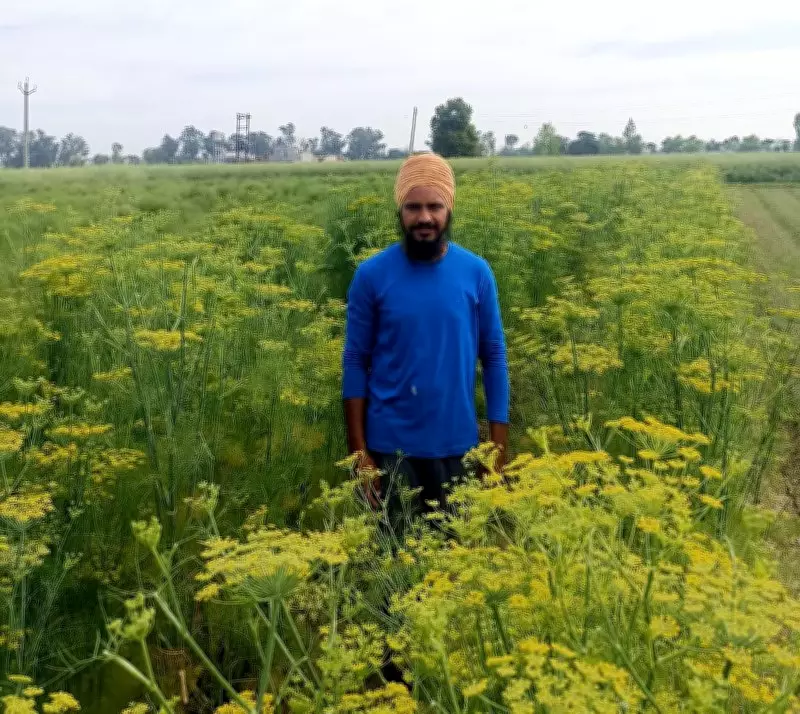
A BTech graduate from Amritsar has discovered a profound sense of peace and purpose in organic farming, leaving behind a lucrative corporate career. This inspiring transition highlights the growing appeal of sustainable agriculture among educated youth.
From Corporate to Cultivation
The graduate, who wishes to remain anonymous, completed his BTech in computer science and worked for several years in the corporate sector. However, he felt a growing disconnect from his work and a yearning for a more meaningful life. He decided to quit his job and return to his roots in Amritsar, where he began experimenting with organic farming on his family's land.
Initially facing skepticism from family and friends, he persevered, learning through trial and error. He now grows a variety of vegetables and grains without the use of chemical fertilizers or pesticides, focusing on soil health and biodiversity.

Finding Sakoon in Soil
The term "sakoon," meaning peace in several Indian languages, perfectly describes his new life. He finds immense satisfaction in working with nature and producing healthy food. "There is a deep sense of contentment in knowing that my work contributes to the well-being of others and the planet," he says.
His farm has become a small model of sustainable agriculture, attracting attention from local farmers and agricultural experts. He often hosts workshops to share his knowledge and encourage others to adopt organic practices.
Challenges and Rewards
Organic farming is not without its challenges. He has faced issues with pest management and market access. However, he believes the rewards far outweigh the difficulties. He sells his produce directly to consumers through local farmers' markets and a small subscription service, ensuring fair prices and fresh food.
His story is a testament to the fact that success is not solely defined by a high-paying job. For him, true success lies in living a life aligned with his values and finding joy in simple, meaningful work.
As more people become conscious of the environmental and health impacts of conventional farming, stories like his are becoming increasingly relevant. They offer a blueprint for a more sustainable and fulfilling way of life.