Goa Mango Growers Grapple with Unusual Fruit Spotting Amid Environmental Stress
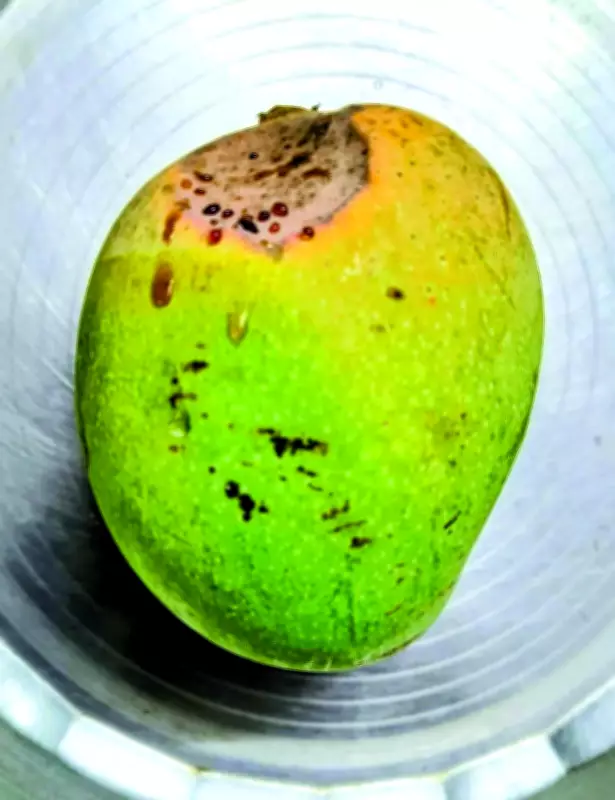
Mango growers across Goa are confronting a challenging season characterized by unusual spotting on fruits during the peak fruiting period. Early assessments indicate that environmental stress, rather than pest infestations or diseases, is the primary cause of this phenomenon.
Expert Analysis Points to Climatic Factors
According to horticulture scientist AR Desai, who recently retired from ICAR Goa, the symptoms observed—depressed, discolored patches on the fruit surface—are typically linked to physical or climatic injury. "Generally, this kind of symptom is seen when fruits are struck by hailstones. The impact causes injury, and those damaged spots later appear as depressed lesions," Desai explained. "However, there has been no hailstorm activity in Goa recently, so that is unlikely to be the cause in this case."
Instead, Desai highlighted intense sunlight exposure as a more probable factor. "At times, fruits exposed to the highest intensity of sunlight, particularly on the northern side during certain periods of the day, can suffer localized cell death. This results in patches that later develop into visible spotting," he said.

Sunburn and Secondary Infection Risks
This condition, commonly referred to as sunburn or sunscald, occurs in tropical fruit crops during periods of high temperature and strong solar radiation. While initially a physiological disorder, the affected areas can become susceptible to secondary infections. "Such damaged spots may later be colonized by pathogens, leading to diseases like anthracnose," Desai added, warning that it could escalate into fungal infection if conditions remain favorable.
Farmers have been advised to monitor orchards closely, especially fruits exposed directly to harsh sunlight, to mitigate further damage.
Farmers Report Widespread Crop Impact
Retired agriculture officer-turned-farmer Sanjeev Mayekar, referring to orchards in and around Bicholim, noted the severity of the situation. "Because of the heat, fruits are dropping even before harvest," he said. He further detailed the multi-stage impact on the crop this year: "First, flowering was affected. Then the fruit setting was low. After that, there was fruit drop. Now, even the mature fruits are falling."
A Sattari-based farmer expressed concerns about long-term consequences for fruit cultivation. "These pressures are influencing farming decisions over time. If worsening climate conditions continue, mango cultivation could face deeper setbacks," he added, highlighting the broader implications for agricultural sustainability in the region.
Key Recommendations for Growers
- Regularly inspect orchards for signs of sunburn or spotting.
- Implement shading techniques to protect fruits from intense sunlight.
- Monitor for secondary infections and apply appropriate treatments if needed.
- Consider adaptive farming practices to cope with changing climate conditions.
The situation underscores the growing challenges faced by mango growers in Goa, with environmental factors posing significant threats to crop yield and quality. As climate patterns evolve, proactive measures and expert guidance will be crucial in safeguarding this vital agricultural sector.