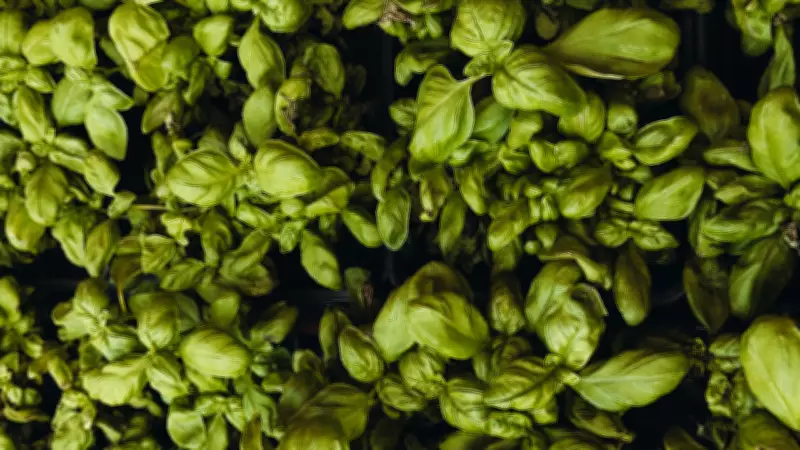
Essential Guide to Growing Healthy Tulsi: Avoid These Common Mistakes
Tulsi, commonly known as holy basil (Ocimum sanctum), holds a revered position in Indian households, cherished not only for its deep spiritual significance but also for its extensive medicinal properties and environmental advantages. This hardy herb is a cornerstone of Ayurvedic medicine and is cultivated widely across tropical regions due to its resilience and therapeutic benefits. However, like all plants, Tulsi requires specific conditions to flourish, and many common gardening practices can inadvertently hinder its growth and survival.
Plants to Avoid Growing Near Tulsi
To ensure your Tulsi plant thrives, it is crucial to avoid planting certain species in its vicinity. These include:
- Mint (Pudina)
- Coriander (Dhania)
- Fenugreek (Methi)
- Spinach (Palak)
- Cabbage and Cauliflower
- Aloe Vera
- Money Plant
- Large shrubs or bushy ornamental plants
One of the primary reasons to avoid these plants is their aggressive root systems. For instance, mint is notorious for its fast-growing roots that dominate the soil, consuming most of the available water and nutrients. This competition can weaken the Tulsi plant, as it requires an undisturbed growing space to develop properly. Additionally, dense shrubs and bushy plants can block essential sunlight, which is vital for Tulsi's health and potency. The plant needs direct exposure to sunlight for several hours each day to maintain its vigor.

Gardening experts emphasize that Tulsi thrives in a clean environment with adequate air circulation and sunlight. It is best to avoid overcrowding the area with plants that:
- Require excessive water, as Tulsi prefers well-drained soil.
- Spread rapidly, competing for nutrients.
- Attract pests or fungi that could harm the Tulsi.
While scientific classification of "incompatible plants" is limited, research from Tamil Nadu Agricultural University confirms that Tulsi's growth depends heavily on soil quality, sunlight availability, and nutrient competition. Therefore, growing Tulsi in a separate area is recommended not only for cultural reasons but also to provide it with the focused care it needs.
The Harmful Effects of Adding Salt to Tulsi
Adding salt to any plant, including Tulsi, is detrimental from a scientific perspective. Salt increases soil salinity, which disrupts the plant's ability to absorb water. Studies on basil plants, which are closely related to Tulsi, show that elevated salinity leads to:
- Reduced plant growth and biomass.
- Lower chlorophyll levels.
- Increased stress levels in the plant.
In simpler terms, salt makes it difficult for plants to drink water. When roots attempt to absorb water in salty soil, they struggle, leading to internal dehydration. The plant may appear normal on the surface but will eventually wither and die. Despite some traditional beliefs suggesting salt benefits plants, there is no scientific evidence to support this. Clear research indicates that salt is harmful and should be avoided in Tulsi care.
Why Proper Care of Tulsi Matters
Tulsi is not just an ordinary herb; it possesses adaptogenic and medicinal qualities that help the human body combat stress and environmental factors. To keep it healthy, follow these guidelines:
- Place it in a sunny location.
- Use well-drained soil.
- Water it moderately.
- Avoid chemicals and salt.
When provided with optimal growing conditions, Tulsi will thrive, offering its numerous benefits for both personal health and the environment.
A Simple Takeaway
Caring for a Tulsi plant does not require complex techniques. It needs a balanced environment free from unwanted interference, such as incompatible plants and salt. By adopting simple, mindful practices, you can ensure this sacred herb continues to flourish and provide its invaluable advantages.