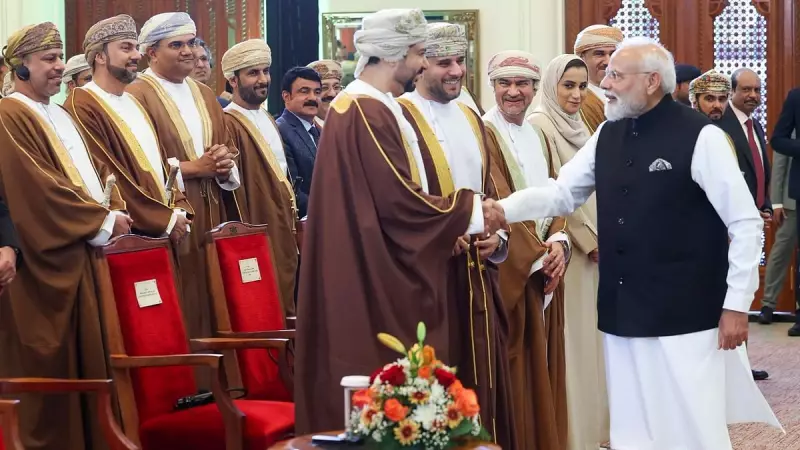
In a landmark move for its traditional healthcare sector, India has successfully integrated provisions for its ancient medicinal systems into a major international trade agreement for the first time. The newly signed Comprehensive Economic Partnership Agreement (CEPA) with the Sultanate of Oman includes a dedicated annexe specifically recognising and facilitating trade in health-related and traditional medicine services.
A Pioneering Chapter in Trade Diplomacy
This strategic inclusion within the India-Oman CEPA marks a significant diplomatic and economic achievement. For years, India has been promoting its traditional knowledge systems like Ayurveda, Yoga, Unani, Siddha, and Homeopathy (collectively known as Ayush) on global platforms. The agreement, solidified on 18 December 2025, formally paves the way for structured cooperation and easier market access for Indian traditional medicine practitioners, products, and services in Oman.
The annexe is not merely symbolic. It establishes a framework that can address regulatory hurdles, promote mutual recognition of qualifications, and encourage joint initiatives in the traditional medicine sector. This move is expected to boost exports of Ayush-based products and services, creating new economic opportunities for a wide range of stakeholders in India.

Boosting Ayush Exports and Strategic Ties
The integration of this annexe directly supports the Indian government's consistent efforts to position the country as a global leader in holistic and traditional wellness. Oman, with its deep historical and cultural ties to India, serves as an ideal partner for this pioneering step. The free trade agreement now goes beyond conventional goods and services, embedding a unique element of India's soft power and heritage into its economic partnership.
Key expected outcomes from this development include:
- Enhanced market access for Indian Ayush companies and practitioners in Oman.
- Streamlined processes for the registration and sale of traditional medicine products.
- Increased potential for collaborative research and development in integrative medicine.
- A stronger foundation for India Oman bilateral relations, connecting economic interests with cultural heritage.
A Template for Future Agreements
This successful incorporation within the Oman CEPA is likely to serve as a model for India's future trade negotiations with other nations. It demonstrates a clear strategy to leverage the growing global interest in alternative and traditional medicine systems. By creating a dedicated space for these services in a comprehensive economic partnership agreement, India has set a precedent that could be replicated, potentially opening doors for Ayush across the Gulf region and beyond.
The announcement, reported by PTI, underscores a forward-looking approach to international trade where traditional knowledge systems are accorded formal recognition and economic value. This step is poised to not only boost a niche export sector but also to strengthen the cultural bridge between India and Oman, fostering deeper people-to-people connections through the ancient science of wellness.