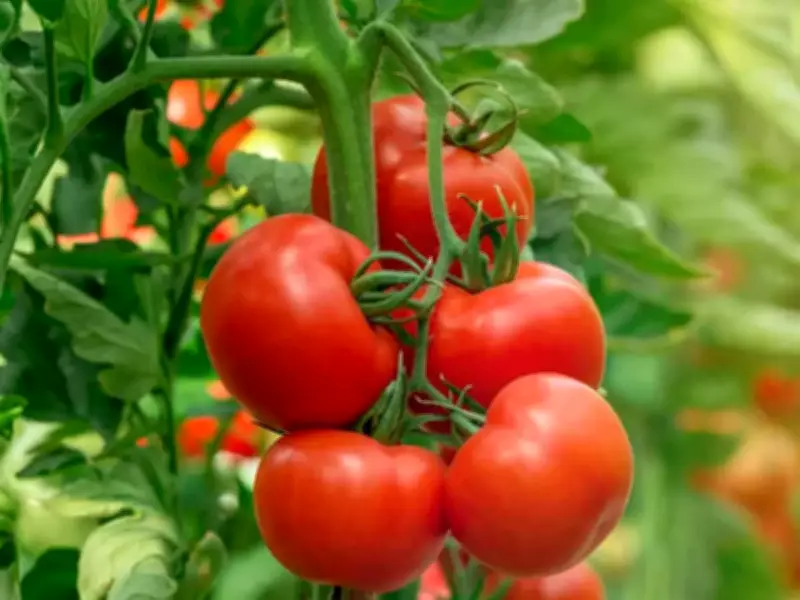
If you have been thinking about starting a garden this season, tomatoes are an excellent choice. While they are not the easiest crop, they are forgiving in the right ways, and once you understand their needs, most of the guesswork disappears.
Timing Is More Important Than You Think
Tomatoes are sensitive to cold. A light frost can significantly set back your plants, so wait until nighttime temperatures consistently stay at 50 degrees Fahrenheit or above before moving them outdoors. Soil temperature also matters; ideally, it should be at least 60 degrees Fahrenheit during the day. If starting from seed, begin indoors 4 to 8 weeks before your last expected frost date, then transplant outdoors when weather permits.
Many first-time growers are surprised to learn that heat can be as problematic as cold. Routine summer temperatures above 90 degrees Fahrenheit can hinder pollination and cause flowers to drop. In warm states like Texas, Florida, or Arizona, plant early in the season and consider a second planting in early fall.

Six to Eight Hours of Sun
Tomatoes are sun-loving plants. They require a minimum of six hours of direct sun daily and perform much better with eight. Before selecting a planting spot, observe where light falls in your backyard or balcony. A south-facing location is usually best. If using containers, you can move them to follow the sun.
Plant Them Deeper Than You Think Is Right
This often surprises people. Tomato stems can root along their length, so planting a seedling deeper than normal encourages a stronger root system. For a 10-inch seedling, leave only 3 or 4 inches above the soil. The buried portion will develop additional roots, anchoring the plant and improving water and nutrient uptake.
The Soil Conversation You Do Not Want to Miss
Tomatoes need rich, well-draining soil. Heavy clay soil that retains too much moisture can lead to root rot and fungal issues, so amend the soil before planting. Tomatoes require a balance of nitrogen, phosphorus, and potassium, plus micronutrients like calcium, zinc, and iron. A soil test, available at most garden centers, will reveal your soil's condition and whether the pH is in the ideal range of 6.2 to 6.8.
Water Regularly, but Not Excessively
As a rule, tomatoes need about an inch of water per week, but consistency is key. Irregular watering harms plants; tomatoes can crack when they absorb water too quickly after a dry spell. Check the soil daily by inserting your finger about an inch deep. If dry, water at the base of the plant, avoiding the leaves.
Indeterminate Varieties Require Support
Not all tomatoes grow the same way. Determinate varieties like Roma or San Marzano grow into bushy plants with fruit ripening all at once and need little support. Indeterminate varieties, such as cherry tomatoes and most beefsteaks, continue growing upward all season and require cages, stakes, or trellises. Use structures at least six feet tall and tie stems with garden twine as they grow.
Prune the Suckers on Indeterminate Plants
Suckers are the small shoots that grow between the main stem and a side branch. Remove them regularly from indeterminate tomatoes. If left unchecked, they drain energy from fruit production and create a dense canopy that holds moisture and promotes disease. Begin pruning when the first blooms appear and continue every two weeks. An exception: the sucker just below the lowest flowering branch can be allowed to develop into its own fruiting stem.
Plant Basil Nearby; Science Backs This Up
The tomato-basil combination is not just a culinary cliché. A 2024 study in Plant Cell Reports found that tomato plants respond better to damage and stress when exposed to volatile compounds from basil, improving their natural defenses. Additionally, a West Virginia University thesis showed that basil interplanted with tomatoes yielded about 20% more, especially at higher planting densities. Herbs like garlic, dill, and parsley also deter pests, while flowering plants like lavender attract pollinators.

Pick Them Early Before They Are Ripe
When tomatoes begin to turn color, pick them. You do not need to wait until they are fully ripe on the vine. Harvesting when they are half green and half pink and letting them ripen on the counter protects them from pests and birds. A ripe tomato will be shiny and yield slightly to gentle pressure.
Growing your own tomatoes offers a payoff that far exceeds the effort. With a little planning and regular attention, by August you will have more tomatoes than you know what to do with—a delightful problem to have.