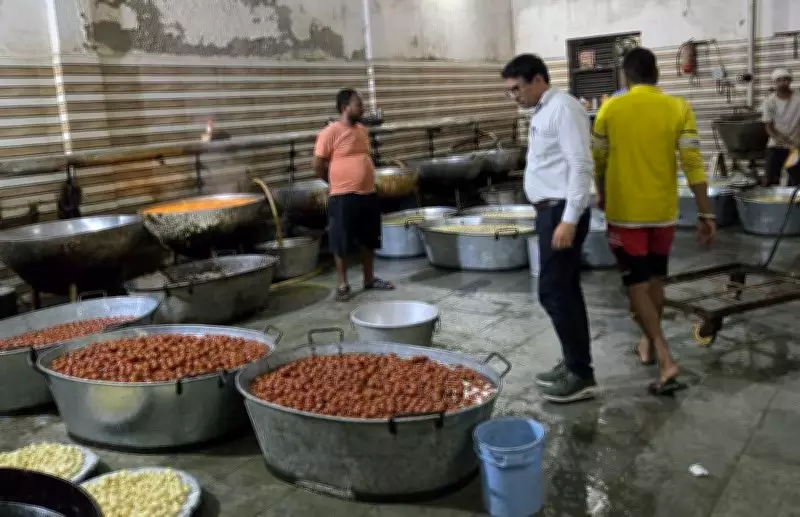
Alarming Food Safety Lapses Uncovered in Haryana's Rohtak District
Recent quality inspections in Haryana have revealed significant concerns regarding food safety standards, particularly in the Rohtak district. According to official reports, a total of 32 food samples collected from various establishments across the region have failed to meet the required quality parameters. This development has sparked widespread alarm among consumers and health authorities alike, highlighting potential risks to public health.
Details of the Failed Food Samples
The failed samples encompass a diverse range of food products, indicating systemic issues in the local food supply chain. While specific details about the exact types of food items that failed the tests have not been fully disclosed, preliminary information suggests that both packaged and unpackaged food items were involved. The samples were collected as part of routine surveillance and monitoring activities conducted by food safety officials in Haryana.
The testing process involved rigorous laboratory analysis to check for contaminants, adulterants, and compliance with food safety regulations. Authorities have emphasized that the failures point to violations of the Food Safety and Standards Act, which mandates strict quality controls to ensure consumer protection. The high number of failed samples from a single district underscores the need for more stringent enforcement and regular inspections.

Implications for Public Health and Safety
This incident raises serious questions about the overall food safety ecosystem in Haryana. Consuming substandard or adulterated food can lead to a range of health issues, from minor illnesses to severe long-term conditions. Public health experts warn that such lapses could erode consumer trust and necessitate immediate corrective actions. The findings from Rohtak serve as a critical reminder of the importance of maintaining high standards in food production, distribution, and sale.
In response to the failed tests, food safety authorities are likely to initiate follow-up actions, which may include:
- Issuing notices to the establishments from which the samples were collected.
- Conducting further investigations to identify the root causes of the quality failures.
- Implementing stricter penalties for non-compliance with food safety norms.
- Launching awareness campaigns to educate consumers about their rights and safe food practices.
Broader Context and Regulatory Framework
Haryana, like other states in India, operates under the national Food Safety and Standards Authority of India (FSSAI) guidelines, which aim to ensure the availability of safe and wholesome food for human consumption. However, incidents such as the one in Rohtak highlight gaps in enforcement at the local level. Regular monitoring and surprise checks are essential to deter malpractices and uphold food quality standards.
This case also underscores the need for enhanced collaboration between state authorities, food businesses, and consumers to foster a culture of food safety. As investigations proceed, it is expected that more details will emerge regarding the specific violations and the steps being taken to address them. For now, the focus remains on safeguarding public health and restoring confidence in the food supply chain in Haryana.