Andhra Pradesh Milk Scandal: Death Toll Escalates to 13 Amid Suspected Adulteration Crisis
The death toll in the alarming milk adulteration scandal in Andhra Pradesh has surged to 13, as confirmed by state health officials on March 12, 2026. This tragic development marks a significant escalation in a public health crisis that has gripped the region, with over 100 individuals currently hospitalized due to suspected poisoning from contaminated milk products.
Widespread Hospitalizations and Intensifying Investigations
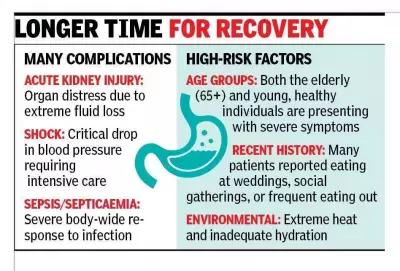
Health authorities report that more than 100 people have been admitted to various hospitals across Andhra Pradesh, exhibiting severe symptoms consistent with toxic ingestion. Patients are suffering from acute gastrointestinal distress, vomiting, dizziness, and in critical cases, organ failure. Medical teams are working around the clock to provide treatment, but the situation remains dire as new cases continue to emerge.
Preliminary investigations point to the adulteration of milk with hazardous substances, possibly including industrial chemicals or pesticides. Samples collected from affected households and local dairy suppliers have been sent for urgent laboratory analysis to identify the exact contaminants. The state government has formed a special task force to coordinate the response, involving police, food safety departments, and health agencies.

Statewide Alert and Public Safety Measures
In response to the crisis, the Andhra Pradesh government has issued a statewide alert, urging citizens to exercise extreme caution with milk consumption. Authorities have initiated raids on dairy farms, processing units, and distribution centers suspected of involvement in the adulteration network. Several individuals have been detained for questioning, though no formal arrests have been announced yet.
"We are treating this as a top priority. Our focus is on saving lives and identifying the source of contamination," stated a senior health official. The government has also set up helplines and emergency medical camps in affected districts to assist victims and monitor the spread of the outbreak.
Broader Implications for Food Safety and Regulatory Oversight
This scandal has reignited concerns over food safety standards and regulatory enforcement in India. Incidents of milk adulteration, often involving dilution with water or addition of harmful substances to increase volume, have been reported previously, but the scale and lethality of this episode are particularly shocking. Experts warn that such crises undermine public trust in essential commodities and highlight gaps in monitoring systems.
The central government has been notified, and there are calls for a comprehensive review of food safety protocols nationwide. Consumer advocacy groups are demanding stricter penalties for adulteration offenses and better surveillance mechanisms to prevent future tragedies.
As investigations proceed, the death toll may rise further, with many patients in critical condition. The Andhra Pradesh milk scandal serves as a grim reminder of the vulnerabilities in our food supply chain and the urgent need for robust safety measures to protect public health.