

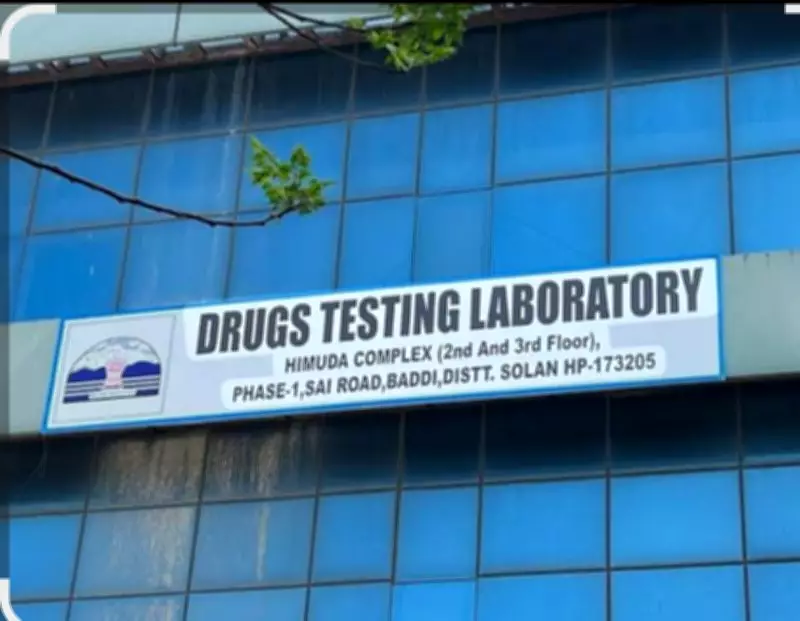
Baddi Drug Testing Laboratory Faces Intense Scrutiny Over Persistent Delays
A critical drug testing facility located in Baddi, Himachal Pradesh, has come under the lens of authorities and industry stakeholders due to a pattern of chronic delays and missed deadlines. This situation is raising significant concerns about the efficiency and reliability of pharmaceutical quality control processes in one of India's key industrial hubs.
Chronic Operational Delays Plague the Facility
The laboratory, which plays a vital role in ensuring the safety and efficacy of pharmaceutical products manufactured in the region, has been struggling with persistent operational bottlenecks. Reports indicate that the facility has consistently failed to meet established deadlines for testing and certification, leading to a backlog of samples awaiting analysis.
These delays are not isolated incidents but rather part of a chronic pattern that has developed over an extended period. The missed deadlines have implications for pharmaceutical companies relying on timely test results to bring their products to market, potentially affecting supply chains and consumer access to essential medicines.

Impact on Pharmaceutical Quality Assurance
The scrutiny over the Baddi drug testing lab highlights broader concerns about quality assurance mechanisms in India's pharmaceutical sector. As a major manufacturing cluster, the Baddi-Barotiwala-Nalagarh industrial area hosts numerous drug production units that depend on efficient testing facilities to comply with regulatory standards.
The delays at the laboratory could potentially compromise the timely release of safe pharmaceutical products, raising questions about the overall effectiveness of drug quality monitoring systems in the region. Industry experts emphasize that such bottlenecks in testing infrastructure can have cascading effects on public health and the reputation of Indian pharmaceutical exports.
Authorities and Stakeholders Express Concern
Regulatory authorities and industry associations have taken note of the situation, with increased monitoring and evaluation of the laboratory's performance. The chronic nature of the delays suggests systemic issues that may require structural interventions rather than temporary fixes.
Stakeholders are calling for a comprehensive review of the laboratory's operational processes, resource allocation, and management practices to identify the root causes of the persistent delays. There is growing pressure to implement corrective measures that would restore confidence in the facility's ability to meet its crucial public health mandate.
Looking Ahead: Potential Solutions and Reforms
The ongoing scrutiny presents an opportunity for meaningful reforms in pharmaceutical testing infrastructure. Potential solutions being discussed include:
- Enhanced resource allocation and modernization of testing equipment
- Streamlining of administrative and procedural bottlenecks
- Increased transparency in reporting testing timelines and backlogs
- Collaboration with private sector testing facilities to manage peak loads
- Regular performance audits and accountability mechanisms
As the investigation into the Baddi drug testing laboratory continues, stakeholders across the pharmaceutical ecosystem are watching closely. The outcome of this scrutiny could set important precedents for how India manages quality control infrastructure in its vital pharmaceutical manufacturing sector.






