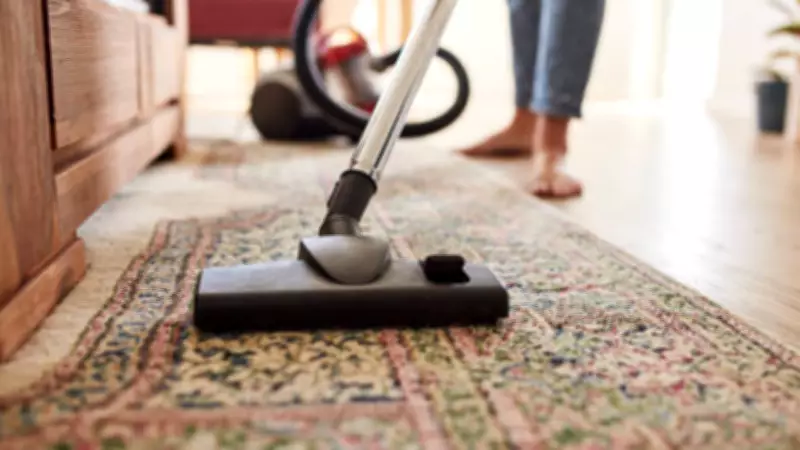
If you have discovered rodent droppings in your home and your first instinct is to reach for the vacuum cleaner, health experts, including the US Centers for Disease Control and Prevention (CDC), strongly advise against it. Vacuuming or sweeping rat droppings can rapidly expose you to hantavirus, a potentially fatal disease that poses a greater threat than many realize.
Why Vacuuming Is Dangerous
When you vacuum or sweep rodent urine, droppings, or nesting materials, tiny droplets containing the virus become airborne. These particles can remain suspended in the air and be inhaled into your lungs. This process, known as aerosolization, is the primary way hantavirus spreads to humans. It is not about direct contact with the droppings, but about breathing in contaminated air.
What the CDC Says
According to the US CDC, “Diseases are mainly spread to people from rodents when they breathe in contaminated air. Don't vacuum or sweep rodent urine, droppings, or nesting materials. This can cause tiny droplets containing viruses to get into the air.” The risk is significant: approximately one in three people who develop hantavirus pulmonary syndrome (HPS) die, according to health data.

Understanding Hantavirus Pulmonary Syndrome
Hantaviruses found in the Western Hemisphere, including the United States, can cause HPS, a severe and often deadly disease affecting the lungs. Early symptoms include fever, fatigue, and muscle pain, resembling the flu. However, the condition can quickly escalate to coughing and difficulty breathing as fluid builds up in the lungs. The World Health Organization notes that symptoms typically appear one to eight weeks after exposure and may include fever, headache, muscle aches, and gastrointestinal issues such as abdominal pain, nausea, or vomiting. By the time the severity is recognized, the virus may have already caused considerable damage.
Proper Cleanup Method
The CDC provides specific guidance for safely cleaning rodent droppings. First, put on rubber or plastic gloves. Then, spray the urine and droppings with a bleach solution or an EPA-registered disinfectant until they are very wet. Allow the area to soak for at least five minutes. A simple bleach solution can be made by mixing 1.5 cups of household bleach with one gallon of water. Keeping everything wet prevents particles from becoming airborne.
Before cleaning, ventilate the space by opening doors and windows for at least 30 minutes to allow fresh air to circulate. After the disinfectant has soaked, use paper towels to wipe up the urine, droppings, and cleaning product. Dispose of the paper towels in a covered garbage can that is emptied regularly. Do not use a vacuum or broom under any circumstances.
Conclusion
While it may be tempting to quickly clean up rodent evidence with a vacuum, this shortcut can seriously endanger your health. Vacuums and brooms are strictly off-limits. Instead, wet the area thoroughly, wait, wipe carefully, and dispose of materials safely. This method takes more time but is the only approach that truly protects you from hantavirus infection.