Essential Guide: How to Safely Handle Cobra Encounters in India
In numerous regions across India, encountering a snake is a relatively common occurrence, particularly near agricultural fields, water bodies, or the fringes of expanding urban areas where undeveloped land persists. Among various snake species, cobras often draw immediate attention due to their distinctive appearance and characteristic defensive posture when alert. For most individuals, this sudden sight typically triggers surprise, which frequently escalates into fear. However, such encounters should not be approached with panic but rather with awareness and appropriate response strategies. Your actions during those critical initial moments significantly influence how safely the situation resolves, with calm, deliberate thinking proving far more effective than instinctive reactions.
Stay Calm First: Control Your Initial Reaction
The foremost step is to manage your immediate response. Take a deep breath and refrain from making sudden movements. Most snakes, including cobras, exhibit defensive behaviors when they perceive threats. Maintaining calm demeanor helps de-escalate the situation and prevents provoking the snake.
Do Not Move Toward the Snake
This is a critical safety measure. Avoid attempting to approach for a closer look or trying to move the snake yourself. Even minor actions can cause discomfort and trigger defensive responses. The safest approach is to halt your movement and provide ample space between you and the snake.

Maintain a Safe Distance
Gradually retreat from the area without running or making abrupt turns. Take steady steps moving away from the snake's location. Distance serves as your primary protective measure in these situations. When snakes do not feel pressured or threatened, they typically retreat on their own accord.
Observe Warning Signals Carefully
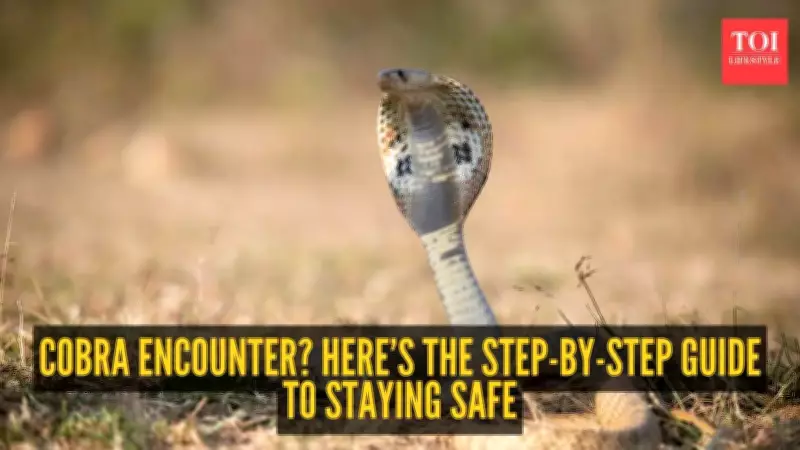
Cobras frequently display clear warning signs before potential defensive actions. If the snake raises its hood, produces hissing sounds, or lifts itself into an upright position, understand that this represents a warning rather than an attack. This is the moment to increase distance further and avoid any movement toward the animal.
Communicate Calmly with Others
If other people are present nearby, inform them using a normal, controlled voice. There is no need to create panic or alarm. Clear, calm communication helps ensure everyone remains safe and prevents accidental approaches to the snake's location.
Keep Pets Under Control
Domestic animals, particularly dogs, may exhibit curiosity and approach snakes without understanding the potential danger. In areas where cobra sightings are common, keeping pets indoors or on leashes represents a sensible precautionary measure.
Contact Trained Professionals When Necessary
If the snake has entered a residential building, educational institution, or crowded public space, do not attempt to handle the situation independently. Reach out to local wildlife authorities or certified snake rescue teams. These professionals possess specialized training for safely managing and relocating snakes, significantly reducing risks for all involved parties.
Maintain Awareness of Your Surroundings
Cobras are more likely to inhabit areas with tall grass, cluttered environments, or secluded outdoor corners. Remaining vigilant while navigating such spaces can help prevent unexpected encounters. This awareness does not imply living in fear but rather exercising reasonable caution.
The Fundamental Lesson
Encounters with cobras do not require dramatic responses but rather patience and composure. Remain steady, maintain appropriate distance, and allow trained professionals to intervene when necessary. Most situations conclude peacefully when individuals respond with calm, rational thinking instead of panic-driven reactions.
Disclaimer: This article serves general informational purposes only and does not substitute for professional wildlife advice or emergency assistance. During actual snake encounters, contact local wildlife authorities, trained snake rescue teams, or relevant emergency services for proper guidance and support.