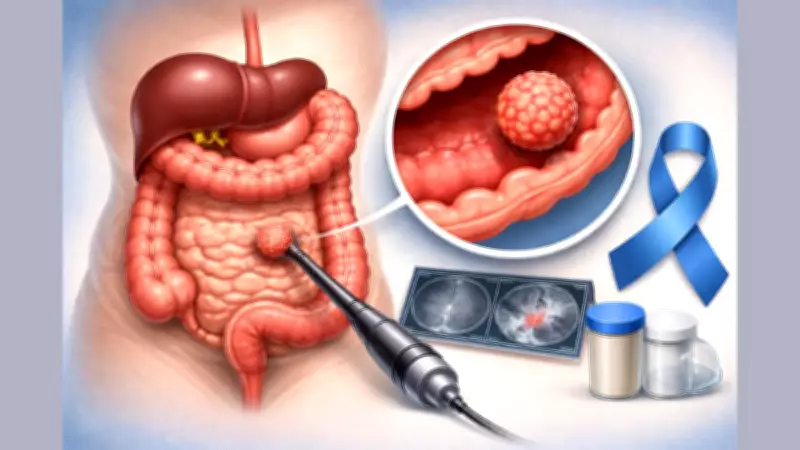
Colorectal Cancer Screening in India: A Critical Health Imperative
Colorectal cancer, encompassing cancers of the colon and rectum, is emerging as a significant public health concern in India. While traditionally more common in Western nations, its incidence is steadily rising across the Indian population. This underscores the urgent need for widespread awareness and proactive screening initiatives to combat this disease effectively.
The Importance of Early Detection Through Screening
Early detection of colorectal cancer dramatically improves treatment outcomes and survival rates. Screening programs are designed to identify precancerous polyps or early-stage cancers before symptoms manifest. When caught at an early, localized stage, the five-year survival rate for colorectal cancer can exceed 90%. However, this rate plummets if the cancer is diagnosed after it has spread to distant parts of the body.
Screening is particularly crucial because colorectal cancer often develops silently in its initial phases. Many individuals may not experience noticeable symptoms until the disease has advanced, making routine screening a vital preventive measure rather than a reactive one.

Recognizing the Symptoms of Colorectal Cancer
While screening aims to detect cancer before symptoms appear, being aware of potential warning signs is essential. Common symptoms of colorectal cancer include:
- Persistent changes in bowel habits, such as diarrhea, constipation, or a change in stool consistency.
- Rectal bleeding or blood in the stool.
- Persistent abdominal discomfort, including cramps, gas, or pain.
- A feeling that the bowel does not empty completely.
- Unexplained weakness or fatigue.
- Unintended weight loss.
It is critical to consult a healthcare professional if any of these symptoms persist, as they may indicate colorectal cancer or other digestive conditions.
Available Screening Tests for Colorectal Cancer
Several effective screening tests are available, ranging from non-invasive stool-based tests to direct visual examinations of the colon and rectum.
- Stool-Based Tests: These include the Fecal Immunochemical Test (FIT) and the Guaiac-based Fecal Occult Blood Test (gFOBT). They detect hidden blood in the stool, which can be a sign of cancer or large polyps. These tests are typically recommended annually.
- Flexible Sigmoidoscopy: This procedure uses a thin, flexible tube with a light and camera to examine the lower part of the colon and rectum. It is generally recommended every five years.
- Colonoscopy: Considered the gold standard, a colonoscopy allows a doctor to view the entire colon and rectum. It can both detect and remove precancerous polyps during the procedure. It is typically recommended every ten years for average-risk individuals starting at age 45-50.
- CT Colonography (Virtual Colonoscopy): This is a less invasive imaging test that uses CT scans to create detailed pictures of the colon. It is usually recommended every five years.
The choice of screening test depends on individual risk factors, age, family history, and personal preference, and should be discussed with a healthcare provider.
The Indian Context and Future Outlook
In India, awareness about colorectal cancer and the availability of screening programs are still developing. Factors such as dietary changes, sedentary lifestyles, and an aging population contribute to the rising risk. Public health initiatives are increasingly focusing on educating the population about the benefits of early screening.
Medical experts emphasize that increasing screening rates is one of the most effective strategies to reduce colorectal cancer mortality in India. By making screening accessible and encouraging individuals, especially those over 45 or with a family history, to undergo regular tests, the country can make significant strides in early detection and treatment.
Looking ahead to 2026 and beyond, the goal is to integrate colorectal cancer screening more comprehensively into India's healthcare framework, potentially saving thousands of lives through timely intervention and improved public health outcomes.