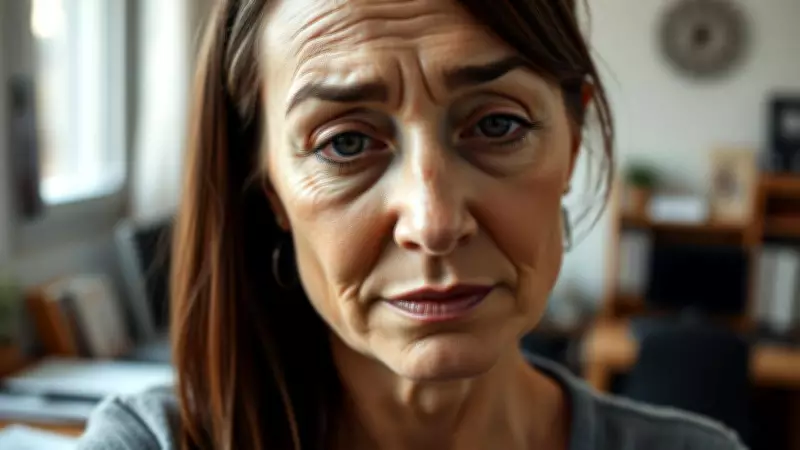
The term 'cortisol face' has recently gained attention on social media, referring to visible facial changes linked to chronic stress. While it is not a recognised medical condition, Dr Gaurav Garg, Consultant Dermatologist, Hair Transplant Surgeon & Dermato-Surgeon, Founder and Director of Dermalife Skin and Hair Clinic, New Delhi, says the effects behind the trend are very real.
How Cortisol Affects the Skin
'When the body remains under constant stress, it releases high levels of cortisol, the primary stress hormone. Over time, this can affect the skin's natural repair process,' says Dr Garg. According to him, prolonged stress can break down collagen and elastin, the proteins responsible for keeping skin firm and youthful. 'This may lead to early fine lines, dullness, reduced elasticity and tired-looking skin,' he explains.
Stress Weakens the Skin Barrier
Dr Garg also notes that stress weakens the skin barrier, making it more vulnerable to dryness, irritation and pollution damage. Lack of proper sleep further worsens the issue. 'Skin repair and renewal happen during sleep. Poor sleep caused by stress can speed up visible signs of ageing,' he says.

Acne and Facial Puffiness
Another common concern is adult acne and facial puffiness. 'High cortisol levels can increase oil production, clog pores and trigger breakouts. Stress-related hormonal changes may also cause water retention, especially around the eyes,' adds Dr Garg. Busy work schedules often contribute to the problem. Skipping meals, dehydration, excess screen time and missing skincare routines can all affect skin health.
Skincare and Lifestyle Advice
Dr Garg advises a simple and consistent routine. 'Gentle cleansing, moisturising, antioxidants, sunscreen and ingredients like retinoids can support healthy skin. But skincare alone cannot undo the effects of constant stress,' he says. He stresses that long-term improvement depends on lifestyle changes. 'Good sleep, balanced nutrition, hydration, regular exercise and stress management are equally important. Healthier habits inside the body are eventually reflected on the skin,' concludes Dr Garg.