CSIR-NIIST's 'Designer Rice': A Protein-Packed, Low-GI Innovation for India
From aromatic biryani to comforting pulao, rice stands as one of India's most cherished staple foods, celebrated for its versatility and cultural significance. Traditionally, rice is a powerhouse of carbohydrates, delivering quick and sustained energy to the body. It is easily digestible and naturally gluten-free, making it a dietary staple for millions. However, conventional rice has notable limitations: it is deficient in protein, the essential building block for human health, and its high glycaemic index often leads to rapid spikes in blood sugar levels. This poses a significant concern in India, a nation grappling with escalating diabetes rates and widespread nutritional deficiencies.
What is Designer Rice?
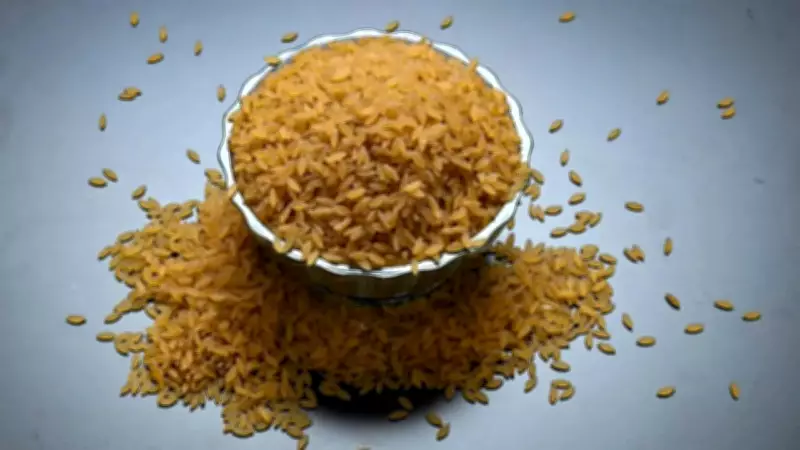
In a groundbreaking development, researchers at the Council of Scientific and Industrial Research's National Institute for Interdisciplinary Science and Technology (CSIR-NIIST) in Thiruvananthapuram have introduced a revolutionary solution: "Designer Rice." This innovative rice variety boasts significantly elevated protein levels and a reduced glycaemic index compared to traditional rice. Spearheaded by Dr. C. Anandharamakrishnan, Director of CSIR-NIIST, the project is described as a form of "food architecture," meticulously engineered to enhance nutritional value without compromising taste or texture.
How is Designer Rice Created?
According to an official post by CSIR India, the creation of Designer Rice involves a sophisticated yet non-GMO process. Scientists begin by deconstructing conventional rice grains into their core components: starch, protein, and fibre. They then reassemble these elements in a reconfigured manner to optimize the grain's nutritional profile. Essentially, a portion of the starch is reduced and replaced with additional protein and essential micronutrients. Dr. Anandharamakrishnan likens this process to "rebuilding a house," where the starch-heavy structure of regular rice is fortified with protein to create a more balanced and healthful product. Importantly, this method relies solely on advanced food-processing technology, steering clear of genetic modification.

Utilizing Broken Rice for Nutritional Enhancement
An intriguing aspect of this innovation is its use of broken rice, typically sold at discounted prices due to lower market value. The research team grinds these broken rice bits into flour and blends them with protein and vital micronutrients such as iron, folic acid, and Vitamin B12. This enriched mixture is then reformed into grains that perfectly mimic the appearance, texture, and flavour of traditional rice. This approach not only enhances nutrition but also promotes a circular economy by valorizing an underutilized byproduct of rice milling, offering farmers new avenues for economic gain.
Addressing India's Dual Health Challenges
India faces a paradoxical health crisis: it is often termed the "diabetes capital of the world," where the high glycaemic index of white rice contributes to dangerous blood sugar spikes. Simultaneously, millions suffer from "hidden hunger"—deficiencies in protein and essential minerals despite adequate caloric intake. Designer Rice is engineered to tackle both issues concurrently, providing a dual-benefit solution that aligns with India's dietary habits and nutritional needs.

Key Benefits of Designer Rice
- Low Glycaemic Index: With a GI value below 55, Designer Rice releases energy gradually, helping to prevent the sharp sugar spikes that are particularly problematic for diabetics.
- Protein Powerhouse: While standard rice contains approximately 6–8% protein, Designer Rice elevates this to over 20%, making it a substantial source of this crucial nutrient.
- Fortified Defense: The rice is embedded with iron, folic acid, and Vitamin B12, directly addressing anaemia and other micronutrient deficiencies by integrating these elements into the grain's structure.
From Laboratory to Indian Plates
Dr. Anandharamakrishnan emphasizes that Designer Rice "tastes even better than normal rice because of the increased protein." A significant advantage is that it requires no cultural dietary shifts; consumers can continue enjoying their beloved rice dishes while benefiting from triple the nutrition. This innovation supports sustainable living by championing a circular economy through the use of broken rice. From its origins in a Kerala laboratory to potentially gracing the plates of millions, Designer Rice represents more than just a culinary upgrade—it is a prescription for a healthier nation, seamlessly blending tradition with cutting-edge science to combat pressing health issues.