

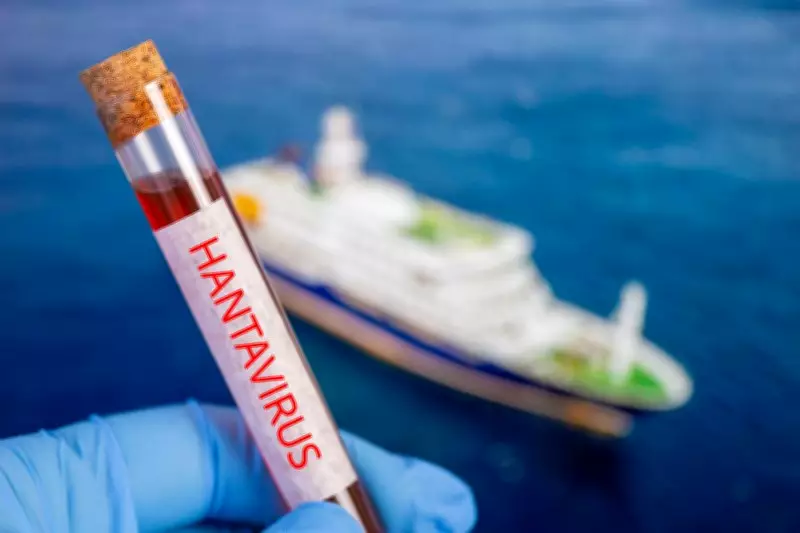
Throughout history, outbreaks of infectious diseases aboard ships have played a pivotal role in shaping the international public health system. From the medieval plague ships that prompted early quarantine measures to modern cases of hantavirus on cruise liners, these maritime health crises have driven the development of global health regulations.
Medieval Plague Ships and the Birth of Quarantine
The concept of quarantine originated in the 14th century when ships arriving in Venice from plague-affected regions were required to anchor offshore for 40 days before docking. This practice, known as 'quarantena,' was a response to the devastating Black Death that swept through Europe. The isolation period aimed to prevent the spread of the bubonic plague, which had killed millions. Over time, this measure became a standard protocol for ports across the Mediterranean, laying the foundation for modern quarantine laws.
The Role of Maritime Trade in Disease Spread
Maritime trade routes were conduits for pathogens. Ships carried not only goods but also rats, fleas, and infected crew members. The plague, transmitted by fleas on rats, could easily spread from port to port. In the 17th and 18th centuries, plague outbreaks in European cities were often traced back to arriving ships. This led to the establishment of lazarettos—quarantine stations—where ships and goods were inspected and isolated.

Yellow Fever and Cholera: 19th Century Challenges
In the 19th century, yellow fever and cholera posed significant threats to maritime communities. Ships returning from the Caribbean or Africa often carried yellow fever, leading to outbreaks in port cities. The International Sanitary Conferences, starting in 1851, were convened to standardize quarantine measures and prevent the spread of these diseases. These meetings eventually led to the formation of the World Health Organization (WHO) and the International Health Regulations (IHR).
The Hantavirus Incident and Modern Lessons
More recently, outbreaks of hantavirus on cruise ships have highlighted the ongoing relevance of maritime health. In 2012, an outbreak of hantavirus pulmonary syndrome on a cruise ship in the United States resulted in multiple cases and highlighted the challenges of containing airborne viruses in enclosed environments. This incident prompted revisions to ship sanitation programs and reinforced the need for rapid response mechanisms.
How These Outbreaks Shaped Public Health Systems
- Standardized Quarantine: The 40-day isolation period became a global benchmark.
- International Cooperation: Sanitary conferences fostered collaboration between nations.
- Health Regulations: The IHR now govern how countries report and respond to public health emergencies.
- Ship Sanitation: Modern cruise ships must adhere to strict hygiene standards to prevent outbreaks.
Conclusion
From the plague ships of the Middle Ages to the hantavirus cases of the 21st century, maritime outbreaks have been catalysts for public health innovation. They have forced nations to cooperate, established protocols that save lives, and reminded us that diseases know no borders. The international public health system owes much to the lessons learned at sea.






