India's Drug Regulator Intensifies Crackdown on Illegal Weight Loss Drug Sales
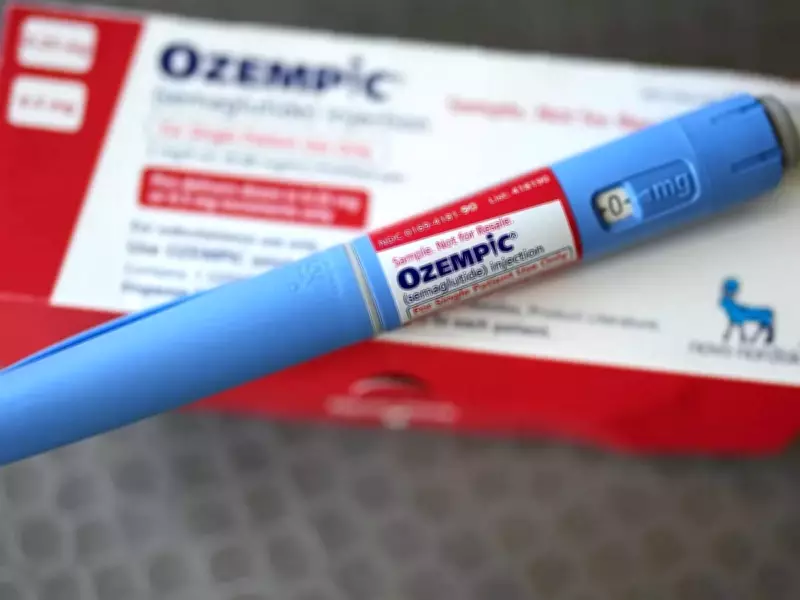
The Drugs Controller of India is significantly strengthening its regulatory surveillance against the illegal sale and promotion of weight loss drugs, particularly those based on GLP-1 formulations, according to an official statement from the Ministry of Health and Family Welfare released on Tuesday. This decisive move aims to ensure ethical pharmaceutical practices throughout the entire drug supply chain and protect public health from potential risks associated with unsupervised medication use.
Growing Concerns Over Unregulated Availability
With the recent introduction of multiple generic variants of GLP-1-based weight loss drugs into the Indian pharmaceutical market, serious concerns have emerged regarding their on-demand availability through various channels. These drugs are increasingly accessible through retail pharmacies, online platforms, wholesalers, and wellness clinics without proper medical oversight.
The ministry emphasized in its official statement that these medications, when used without appropriate clinical supervision, may lead to serious adverse effects and significant health risks for consumers. The potential dangers of unsupervised usage have prompted regulatory authorities to take immediate and comprehensive action to address this emerging public health challenge.

Targeted Regulatory Actions and Enforcement
Taking cognizance of the concerning situation, India's Drugs Controller, in close collaboration with state regulatory authorities, has initiated a series of targeted actions designed to curb possible malpractices across the pharmaceutical supply chain. The primary objective is to prevent unauthorized sales and inappropriate use of these weight loss medications that require specialized medical supervision.
The ministry recalled that on March 10, a comprehensive advisory was issued to all pharmaceutical manufacturers, explicitly prohibiting surrogate advertisements and any form of indirect promotion that could potentially mislead consumers or encourage off-label usage of these drugs. This advisory represents a crucial step in establishing clear guidelines for ethical marketing practices within the pharmaceutical industry.
Significant Scaling Up of Enforcement Activities
Enforcement activities have been substantially scaled up in recent weeks, with regulatory authorities conducting thorough audits and inspections at 49 entities across multiple regions of the country. These inspections have targeted various points in the pharmaceutical distribution network, including online pharmacy warehouses, drug wholesalers, retail pharmacies, and wellness and slimming clinics that might be involved in the unauthorized distribution of these medications.
The health ministry issued a clear warning to citizens, stating that the misuse of weight loss drugs without proper clinical oversight can lead to severe health complications and potentially dangerous medical consequences. Authorities strongly advise that such medications should only be used under the direct guidance and supervision of qualified medical practitioners who can properly assess individual health needs and monitor treatment outcomes.
Specific Prescription Requirements and Medical Supervision
It is important to note that GLP-1-based weight loss drugs have been approved in India with specific conditions regarding their prescription and usage. These medications are authorized to be prescribed only by specialized medical professionals, including endocrinologists and internal medicine specialists. For certain specific indications, cardiologists may also prescribe these drugs following thorough medical evaluation.
This regulatory framework ensures that patients receive appropriate medical assessment before beginning treatment with these medications and that their usage is monitored by healthcare professionals with relevant expertise in managing the conditions these drugs are designed to address. The current crackdown reinforces these prescription requirements and aims to eliminate practices that circumvent these essential safety measures.