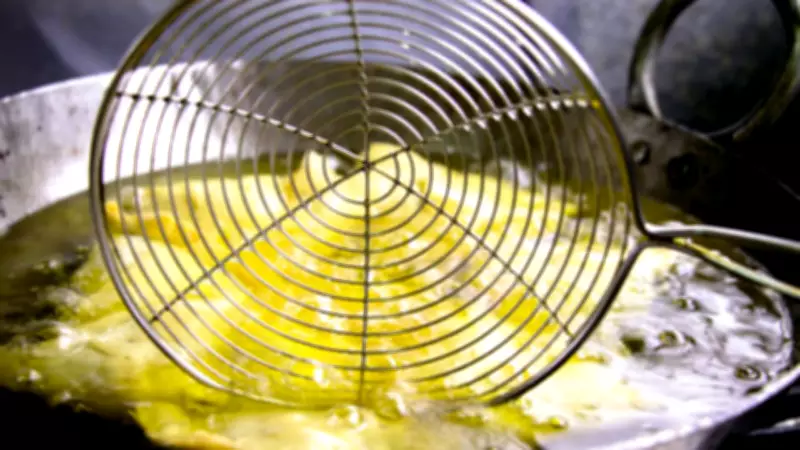
India has emerged as one of the world's largest consumers of edible oil, with consumption steadily rising over the years. This surge is driven by urbanization, changing dietary habits, the proliferation of street food and packaged snacks, and a deep-rooted cultural tradition of cooking with generous amounts of fat. However, the human body does not adapt to these traditions, and excessive oil intake poses significant health risks.
What Excess Oil Does Inside the Body
Dr. Vivek Kumar, Director of Interventional Cardiology and Head of the Structural Heart Program at Max Super Speciality Hospital, Vaishali, Ghaziabad, provides a clear explanation of the consequences. "Increasing your oil intake may contribute to gaining weight, becoming obese, having elevated cholesterol levels, and experiencing an increased chance of developing cardiovascular diseases," he states. The damage extends beyond the heart. "Increased oil consumption might also contribute to hypertension, have the potential to develop into a fatty liver disease, and develop into type 2 and other types of diabetes." Additionally, inflammation often goes unnoticed but is equally harmful. "Foods that are processed and fried and are high in bad fats can promote inflammatory responses and affect your ability to metabolise energy properly," Dr. Kumar adds.
What the Research Actually Says
A landmark study published in JAMA Internal Medicine by researchers from Harvard T.H. Chan School of Public Health tracked over 126,000 adults for more than two decades, analyzing the association between specific dietary fats and mortality. The findings revealed that higher saturated fat intake was linked to increased total mortality, while higher polyunsaturated fat intake was associated with lower mortality. Critically, the study estimated that replacing just 5% of calories from saturated fats with equivalent calories from polyunsaturated fats was associated with a 27% reduced risk of death. The American Heart Association, drawing on extensive clinical evidence in Circulation, reached a similar conclusion. Randomised controlled trials that lowered dietary saturated fat intake and replaced it with polyunsaturated vegetable oil reduced cardiovascular disease by approximately 30%, an effect comparable to that achieved by cholesterol-lowering statin drugs.

Not All Oils Are Equal: Quality Matters
The conversation about oil in India often focuses on quantity, but the more actionable question is about quality and cooking method. Dr. Kumar emphasizes that some oils are significantly better than others and that usage methods are equally important. "Some of the best cooking oils are olive oil, mustard seed oil, groundnut seed oil, sesame seed oil, and rice bran oil," he says. "All of those cooking oils have unsaturated fats that provide substantial benefits to heart health when they're used sparingly and properly." The key phrase is "sparingly"—even the healthiest oil becomes problematic at the volumes many Indian households use daily.
His practical guidance goes beyond generic advice to "eat less oil." "To achieve a good balance of nutrients, select the appropriate type of cooking fat for the method you're using to prepare food and rotate multiple types of healthy cooking oils during different times for preparing food," he advises. Different oils have different smoke points and fatty acid profiles, and using the same oil for every purpose—from high-heat frying to light sautéing—is not optimal for health or flavor. Beyond oil selection, he stresses two habits that compound damage: "Avoid deep frying and reheating or reusing oil." Reused oil degrades chemically, generating harmful compounds like trans fats and aldehydes not present in fresh oil. Regarding saturated fat, his position is unequivocal: "Reduce oil rich in saturated fat, and avoid trans fat altogether."

Why the Message Hasn't Translated into Action
Indians have been advised to cut down on oil for decades. Yet the rising incidence of oil-related diseases suggests the message has not led to meaningful changes in cooking behavior. This is partly cultural, partly economic, and partly because oil is less visible than other dietary problems. A bowl of sugar is easily seen, and the grease of a fried snack is felt. But the cumulative daily drizzle of oil across six meals, reused multiple times, building up in vessels and arterial walls simultaneously, is harder to visualize. Medical experts consulted for this article include Dr. Vivek Kumar, whose insights explain how excessive oil consumption affects vital organs.