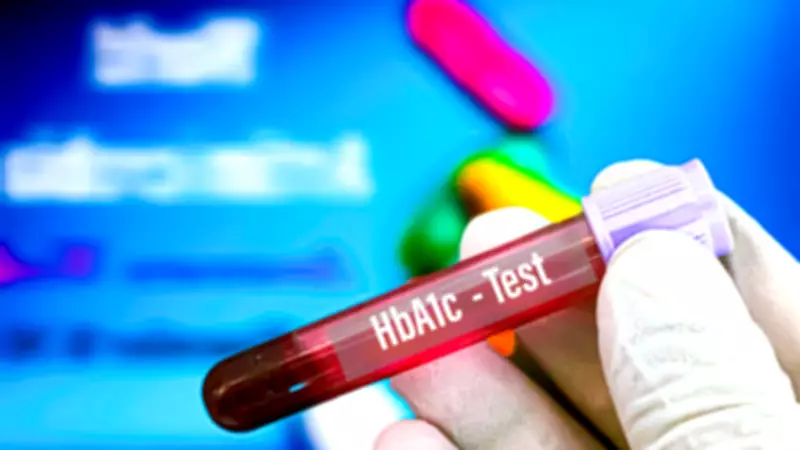
Millions of Indians are being told they are prediabetic or diabetic based on a single blood test. However, if you have iron deficiency anemia, that result may not reveal the complete truth. Dr. Sudhir Kumar, a noted neurologist based in Hyderabad, recently highlighted an issue on social media that warrants far more attention. His message was simple but significant: if you have anemia or kidney issues, your HbA1c might not tell the whole story.
Misleading HbA1c Results in Anemia Patients
A review published in The Lancet Regional Health: Southeast Asia in February 2026 warned that the HbA1c test, commonly used in India as a diagnostic tool, is providing misleading results for many people. The review acknowledged that HbA1c remains useful for monitoring blood sugar trends over three months. However, as a first-line diagnostic, it has real limitations that are not being communicated to patients clearly enough.
How Iron Deficiency Anemia Inflates HbA1c
Sharing a medical test report showing HbA1c of 6.4%, Hemoglobin of 7.5 g/dL, MCV of 75 fL, and MCH of 20 pg, Dr. Sudhir Kumar stated that an HbA1c of 6.4% does not always mean prediabetes. He explained that this occurs due to a condition called severe iron deficiency anemia. The blood counts suggest microcytic hypochromic anemia, most likely due to iron deficiency.

HbA1c reflects the percentage of hemoglobin that has undergone glycation during the lifespan of red blood cells. In iron deficiency anemia, red blood cells tend to survive longer and are exposed to glucose for a longer period, leading to higher HbA1c values even when blood glucose levels are normal. The HbA1c test tracks how much glucose has attached to the hemoglobin in red blood cells over roughly 90 days. The longer red blood cells live, the more glucose they accumulate, and the higher the HbA1c reading climbs.
In anemic patients, red blood cells live longer than they normally would, giving them more time to collect sugar, which falsely inflates HbA1c readings. Therefore, the test is not detecting uncontrolled blood sugar but rather the extended lifespan of iron-deficient red blood cells. Without this context, a doctor looking only at the number could easily arrive at the wrong diagnosis.
Clinical Evidence Supporting the Link
The clinical evidence on this phenomenon is fairly robust. One study found significantly higher HbA1c levels in iron deficiency anemia patients compared to healthy controls. After three months of iron supplementation, 70% of subjects whose HbA1c had placed them in the prediabetic range normalized back to a healthy glucose tolerance range entirely. This is not a marginal shift; seven out of ten people could have been told they were prediabetic when the real fix was treating their anemia.
A large Korean population study also found that iron deficiency anemia shifted HbA1c levels upward specifically in the normoglycemic and prediabetic range. A falsely elevated HbA1c can mislabel patients with diabetes, leading to psychological stress and unnecessary treatment. This is a significant consequence, and in a country where diabetes carries enormous stigma and fear, the emotional weight of a wrong diagnosis should not be underestimated.
Why This Particularly Matters in India
Iron deficiency anemia affects a huge portion of the population in India, cutting across women of reproductive age, adolescents, elderly patients, and those with poor dietary iron intake. Simultaneously, HbA1c has become one of the most routinely ordered tests in urban India, often prescribed at annual health checks with no accompanying context about what might interfere with the result.
HbA1c remains reliable for tracking blood sugar over three months and is a vital monitoring tool for people already managing diabetes. However, if you have received an HbA1c result placing you in the prediabetic range and you have not been tested for iron deficiency anemia, that is a conversation worth having with your doctor before accepting the diagnosis.

Recommendations for Accurate Diagnosis
Ask for a full blood count alongside your HbA1c. If iron deficiency anemia is present, treat it first, and then retest. It is crucial to consider iron status when interpreting HbA1c results in clinical practice, particularly in populations with a high prevalence of anemia. A single number on a lab report is not a verdict; it is the beginning of a conversation.