

Dehradun: A 600 kilolitres per day (KLD) sewage treatment plant (STP) at Kedarnath Dham has yet to begin operations this yatra season, despite the Rudraprayag district administration informing the National Green Tribunal (NGT) in February that the facility was ready.
NGT Affidavit and Current Status
In its affidavit, the administration stated that construction was complete and dry testing had confirmed the plant’s readiness ahead of the yatra. However, the STP—designed to handle a pilgrim load of 20,000—faces capacity concerns, as daily footfall has crossed 30,000 on several days since the shrine opened on April 22.
Over two lakh pilgrims visited the temple in the first week alone, highlighting the gap between infrastructure capacity and actual demand. The issue had been flagged earlier: in February, TOI reported that the Central Pollution Control Board (CPCB) noted the project did not cover nearly 1,000 tents set up along the route.

Petitioner's Observations
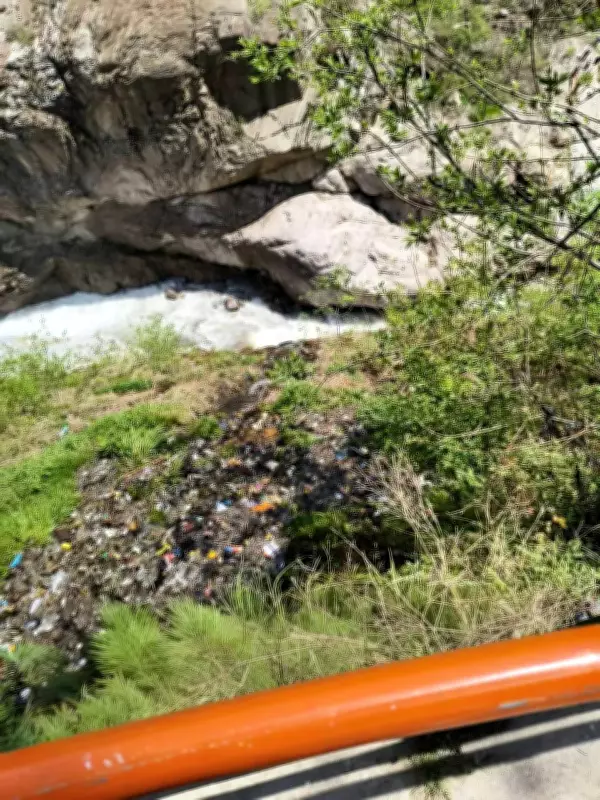
A ground visit by the petitioner revealed that nearly 10 days after the yatra began, the STP remained non-operational. “Not only has the STP not begun operations, but waste management along the route is alarming. Garbage is dumped on hillsides and continues to flow into the Mandakini river. Illegal campsites are also adding to waste generation,” said petitioner Abhisht Gupta.
Pilgrims pointed to lapses in the deposit refund system (DRS), introduced three years ago to track plastic bottle waste. Gupta argued that the plant is inadequate for current footfall and called for restrictions on carrying capacity. “There must be limits on pilgrim numbers so that waste can be managed better at Kedarnath,” he said.
Government Response
The Wildlife Institute of India has submitted its findings on carrying capacity to the government, but no order has yet been issued to cap pilgrim numbers. While the district magistrate could not be reached for comment, officials said making the STP operational is a priority. “The handover from Jal Sansthan has already taken place. The DRS programme and plastic waste management efforts are in progress. Compactors have been installed and large quantities of plastic waste are being collected,” said SDM Anil Singh Rawat.
Rakesh Kandari of the Uttarakhand Pollution Control Board added that not every pilgrim stays at the shrine. “The STP is designed for those staying there. Only permanent structures have been connected to the STP line,” he said.
Future Capacity Needs
Officials acknowledged that the plant’s capacity will need to be increased in the future to meet rising pilgrim numbers and expanding infrastructure. Government data shows that 1,000 kg of plastic waste was collected and compacted in the first week of the yatra. In April, TOI reported that only 40% of the waste generated at Kedarnath last year was processed. More than 16.5 lakh pilgrims visited the shrine in 2023, compared to 2.47 lakh in 2021.






