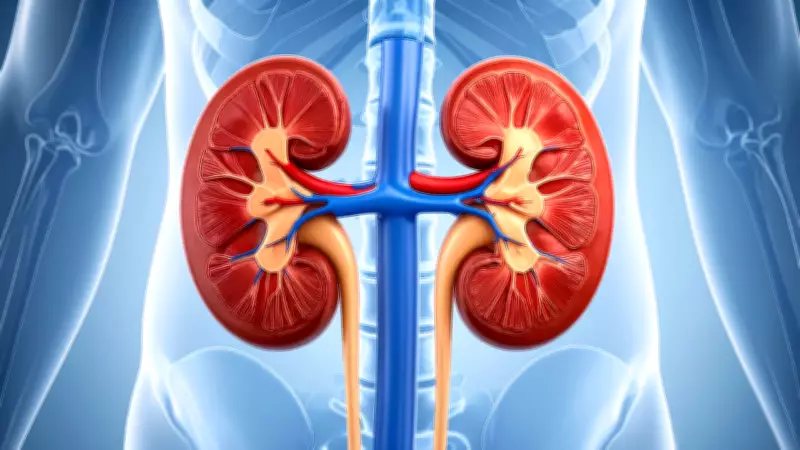
Kidneys work around the clock to filter waste, balance fluids, regulate blood pressure, and support healthy bones and blood cells. Yet when kidney function declines, the body often sends few warning signs. This is one reason chronic kidney disease (CKD) has become a growing global concern. According to The Lancet's latest CKD Series, an estimated 788–844 million adults worldwide are living with CKD, and it is projected to become the fifth leading cause of death globally by 2040.
The challenge is not only the number of people affected but also the fact that many remain unaware of their condition until substantial damage has occurred. The World Health Organization notes that kidney disease frequently remains symptomless in its early stages, making timely screening and diagnosis critical.
Why Are Kidney Diseases Becoming More Common?
The rise of CKD is closely linked to modern health trends. Increasing rates of diabetes, hypertension, obesity, cardiovascular disease, ageing populations, and unhealthy lifestyle habits have all contributed to the growing burden. Experts also point to improved detection: more healthcare systems are testing kidney function than before, revealing cases that might have gone unnoticed in the past. The WHO recently highlighted that kidney disease is rising alongside diabetes, hypertension, and population ageing, creating a major public health challenge worldwide. For countries such as India, where diabetes and high blood pressure affect millions, the implications are significant. CKD increases the risk of heart disease, disability, hospitalisation, and premature death.

What the First Lancet Study Reveals: Better Diagnosis Could Change Everything
The first paper in The Lancet Series focuses on advances in diagnosing and detecting CKD. Researchers highlight how traditional testing methods are evolving. New approaches involving cystatin C-based kidney function estimates, albuminuria testing, advanced imaging, artificial intelligence, and multiomics technologies are improving the ability to detect kidney disease earlier and more accurately. One key message is simple but powerful: early detection saves kidneys. The authors argue that screening strategies based on estimated glomerular filtration rate (eGFR) and albuminuria are becoming increasingly cost-effective, especially with newer treatments that can slow disease progression. However, the study raises concerns about unequal access to testing; many low- and middle-income countries lack the laboratory infrastructure and healthcare resources needed for widespread screening, leaving millions undiagnosed until advanced stages.
Men and Women Experience Kidney Disease Differently
One of the most interesting findings from the second paper is that kidney disease does not affect everyone the same way. Researchers found important biological differences between males and females in kidney structure, function, disease progression, and response to treatment. Yet many treatment guidelines still fail to account for these differences. The paper explores how genetics, hormones, and epigenetic factors influence kidney health and calls for more sex-specific research to tailor treatments effectively. This shift means the future of kidney care may become more personalised rather than following a one-size-fits-all model.
New Treatments Bring Hope, but Challenges Remain
The third paper offers encouraging news. Researchers describe major advances in therapies targeting shared pathways linking kidney disease with diabetes, obesity, cardiovascular disease, and chronic inflammation. Several newer drug classes, including SGLT2 inhibitors, non-steroidal mineralocorticoid receptor antagonists, and GLP-1 receptor agonists, have shown promising results in slowing CKD progression and improving cardiovascular outcomes. However, treatment is becoming increasingly complex. Many people with CKD live with multiple health conditions simultaneously, requiring coordinated care and careful decision-making. The study highlights the need for integrated healthcare systems that can identify high-risk patients earlier and ensure comprehensive treatment rather than fragmented care.

Everyday Habits That May Strain Your Kidneys
While scientific breakthroughs advance kidney care, prevention remains a strong tool. According to Aman Puri, Founder of Steadfast Nutrition, dietary habits significantly influence kidney health. "A balanced diet plays a key role in optimal health and disease prevention. However, incorrect diet planning or excessive consumption of nutrients can cause side effects. While consuming the right nutrients in moderation benefits health, excessive consumption can affect organ health, particularly the kidneys," he explained. Puri noted that emerging dietary trends may impact kidneys due to higher consumption of protein, sodium, unhealthy fats, and sugar. High-protein diets, intended for weight management and muscle building, can strain the kidneys and impair renal function. He also warns not to ignore early symptoms such as persistent swelling of hands, ankles, lower legs, and eyes. Other warning signs include changes in urine colour or frequency, foamy urine, persistent fatigue, itchy or scaly skin, loss of appetite, metallic taste in the mouth, and muscle cramps, especially at night. To support kidney health, Puri recommends moderating protein intake, reducing sodium consumption, staying adequately hydrated, limiting excess caffeine and alcohol, and maintaining a balanced intake of minerals. Normal urine output, no swelling, no fatigue, and stable blood pressure are signs of healthy kidneys.
Why This Series Matters Now
The importance of this series goes beyond academic research. It presents a roadmap for tackling one of the fastest-growing health challenges of the century. The three studies collectively call for earlier diagnosis, more equitable access to testing, personalised treatment approaches, and wider implementation of effective therapies. They reinforce that kidney disease should no longer be viewed as a specialist concern; it is deeply connected to diabetes, obesity, heart disease, ageing, and overall public health. The WHO has recognised kidney disease as a major global health issue and urged countries to strengthen prevention, early detection, and access to treatment. For millions, the future of kidney health may depend not only on new medicines but also on knowing the risks before symptoms appear.