You are probably thinking about your heart right now. Or maybe your cholesterol numbers keep you up at night. Your blood sugar is always on your mind. But when was the last time you actually thought about your kidneys? Be honest. Most people have not given them a second thought until something goes wrong.
That is the real problem, according to Dr Harsha Mandadi Varadaraju, Senior Consultant in Renal Sciences and Nephrology at Amrita Hospital, Faridabad. Your kidneys are working quietly in the background, filtering toxins, removing excess fluid, regulating blood pressure, and even maintaining bone health. They are doing all this without asking for attention. And then, usually around age 40, they start to slow down. Wrong. Or at least, not entirely. While aging itself is unavoidable, that is just how our bodies work, Dr Varadaraju is clear about something: the way your kidneys age does not have to be a downhill slope. Some habits, particularly around food, can genuinely ease the stress on these organs as the years pile up.
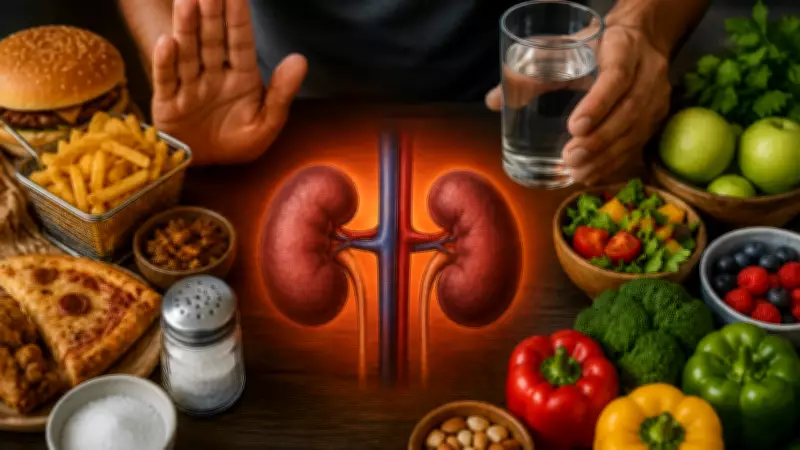
The problem is, most people think eating for kidney health means buying expensive superfoods or going on some extreme diet that requires a second mortgage. That is not how it works. Dr Varadaraju says it plainly: balance is more important than trends.

The Salt Problem Nobody Is Talking About
Here is something that should alarm you but probably will not until you read the numbers. An average Indian household consumes between 20 to 25 grams of salt daily. That is four to five times what the World Health Organization actually recommends. The WHO says less than 5 grams a day. And it is not like you are sitting around sprinkling salt onto your food like your grandmother did. The problem is everywhere. It is in the packaged snacks you grab at the office. It is hiding in those pickles and papads you eat with lunch. It is in that habit of adding extra salt to meals that already have enough. It is just everywhere.
Why should you care? Because high blood pressure is one of the leading causes of kidney damage. And salt is a direct culprit. Too much salt raises your blood pressure, which then starts putting stress on your kidneys. It is a domino effect that most people do not see coming until the damage is already done.
Dr Varadaraju recommends cutting back on those packaged salty snacks, the pickles, the papads, basically all the things that taste good but are quietly working against your organs. And here is something that might surprise you: switching to Himalayan pink salt instead of iodized salt does not actually provide any additional kidney benefits. It is still salt. Your kidneys do not care about the color or the marketing narrative. They just know salt when they see it.
Water
There is this weird thing that happens when you live in a hot place. Delhi-NCR, where a lot of people reading this probably live, sits in what doctors actually call the kidney stone belt of India. It is a real term. Real problem. And it is mostly preventable if you just drink enough water.
Dr Varadaraju keeps it simple: drinking enough water is one of the best things you can do to lower your risk of kidney stones. The goal is not some complicated calculation. It is actually straightforward. You want to produce almost two liters of pale yellow urine per day. That is it. That is your marker.
But how much water do you actually need to drink to achieve that? It depends on what you do. If you are indoors most of the day, sitting at a desk, doing office work, you probably need about 2.5 to 3 liters of water daily. But if you are working outside in the heat, moving around, sweating, you might need almost 4 liters. Your body is working harder, losing more fluid, and your kidneys need the water to do their job properly.
The reason this matters in places like Delhi-NCR is that when you are not drinking enough water, your urine becomes concentrated. Minerals crystallize. Stones form. And then you are dealing with one of the most painful experiences a human body can go through. Prevention is so much easier than dealing with the aftermath.
The Protein Question That Confuses Everyone
There is this confusion floating around about protein. Bodybuilders think they need tons of it. Regular people think they need more than they actually do. And then people with kidney disease worry they are eating too much.

Here is what Dr Varadaraju says about it: healthy people usually need about 0.8 to 1 gram of protein per kilogram of body weight per day. That is the baseline. If you weigh 70 kilograms, you are looking at roughly 56 to 70 grams of protein daily. That is not a lot. A chicken breast has about 26 grams. Two eggs have about 12 grams. You hit that number pretty easily if you are eating normal meals.
Now, if you are someone who regularly goes to the gym, or you are a bodybuilder trying to build muscle, you might eat more protein and that is fine, assuming your kidney function is normal. But here is where it gets important: if you already have kidney disease, too much protein starts putting real stress on your kidneys. They are already struggling. Extra protein means they have to work harder to process it. It is like asking someone who is already tired to run a marathon.
Fruits, Vegetables, and the Complications
Most nutritional advice tells you to eat more fruits and vegetables. And for generally healthy people, that is solid advice. Doctors recommend including them in daily meals for overall health. But there is a catch that does not get mentioned often enough.
If you already have kidney disease, some fruits and certain green leafy vegetables might actually need to be restricted. Why? Because some of these foods are high in potassium or phosphorus, minerals that healthy kidneys filter out easily but diseased kidneys struggle with. So what is healthy for one person might actually be harmful for another. That is why Dr Varadaraju emphasizes that any dietary changes need to be specific to your condition. There is no one-size-fits-all approach.
Beyond Food
Here is what people miss: food is just one piece of the puzzle. Dr Varadaraju is clear that a healthy weight, regular exercise, avoiding processed foods and sugary drinks, quitting smoking, and cutting back on alcohol all help your kidneys age better. These are not separate concerns. They are all connected.
Excess weight puts stress on your kidneys. Smoking damages blood vessels, including the ones in your kidneys. Alcohol dehydrates you. Processed foods are loaded with salt and phosphorus. Sugary drinks spike your blood sugar, which damages your kidneys over time. It is not one thing. It is a system.
About the Author: Maitree Baral is a health journalist on a mission: making medical science digestible and healthcare approachable. Covering everything from wellness trends to life-changing medical research, she turns complex health topics into engaging, actionable stories readers can actually use.