LPG Crisis Sparks Return to Traditional Cooking Methods in Rural Odisha
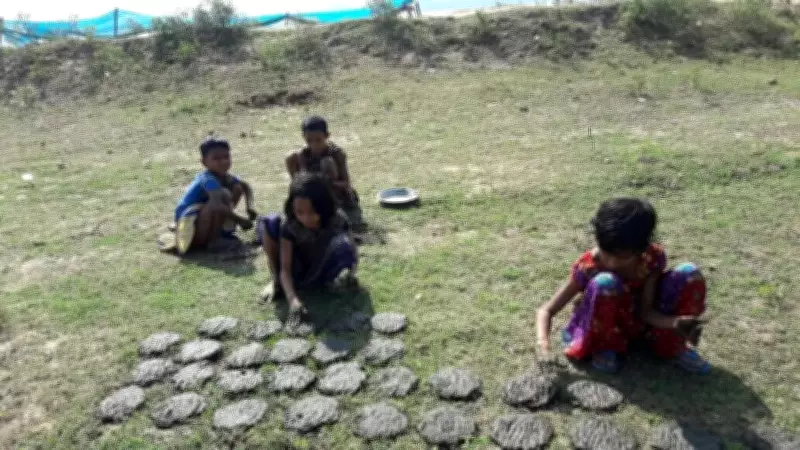
A severe and ongoing shortage of liquefied petroleum gas (LPG) cylinders has compelled numerous residents in the rural areas of Kendrapada district, Odisha, to abandon modern cooking fuel and return to using traditional cow-dung cakes. This unexpected shift has triggered a massive surge in demand for this age-old fuel source, transforming it into a valuable commodity within local markets.
Households Adapt Amid Fuel Scarcity
"Cow-dung cake has become a valuable commodity, with increased sales in local markets and a significant increase in rural populations relying on them," explained Minati Behera, a housewife from Silipur village, highlighting the sudden economic shift. For many older residents, the transition is a return to familiar practices. "We started using LPG in the 1990s and before that we were using fuel wood, coal and cow-dung cakes for cooking. Using it now is no problem for us," said 67-year-old Saraswati Das of Bharatpur village.
However, the adjustment is not seamless for everyone. Das noted that her daughter-in-law is unaccustomed to cooking with cow-dung cakes, requiring her assistance. In Garadapur village, Niharika Jena, 34, has been forced to set up a temporary outdoor kitchen in her garden to cook on a hearth fired by dung, illustrating the practical adaptations families are making.

Economic Opportunity and Harsh Realities
The increased demand has created a small but vital economic opportunity for some of the district's poorest residents. "We are happy due to the increasing demand for cow-dung cakes. We make 40 to 70 cow dung cakes a day and earn around Rs 200 to Rs 300," shared Sabi Mandal, a 25-year-old from Kansarabadadandua village. The process involves collecting dung and sun-drying it into cakes.
Yet, this reliance underscores deeper socio-economic challenges. Biraja Pati, a Kendrapada-based social worker, pointed out that most cow-dung cake makers live below the poverty line and have no choice but to involve their children in this labor-intensive work to sustain household incomes.
Environmental and Legal Constraints Compound the Crisis
The situation is particularly acute for communities living near protected ecological zones. Prasana Parida, the sarpanch of Satabhaya gram panchayat, explained that many villagers residing around Bhitarkanika National Park cannot collect firewood from the nearby mangrove forests, as it is a punishable offence. This legal restriction leaves them with few alternatives, making cow-dung cakes a critical, if not ideal, fuel source.
This widespread return to biomass fuel highlights the fragility of energy access in rural India and the immediate impact of supply chain disruptions on daily life, pushing communities back to pre-modern solutions out of necessity.