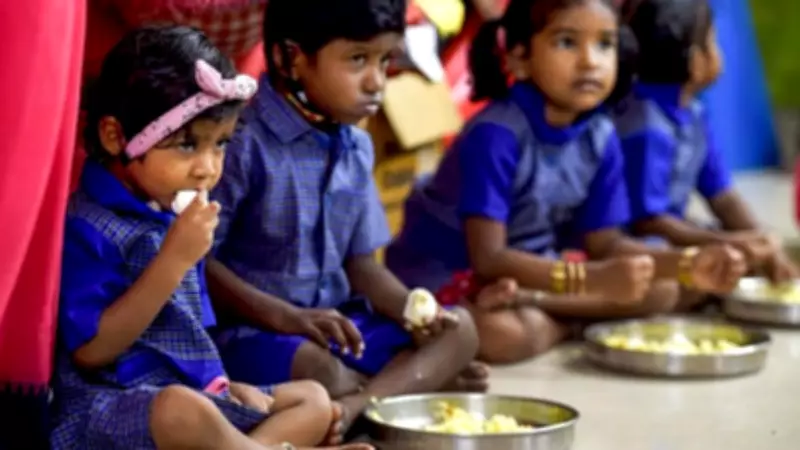
LPG Cylinder Shortage Disrupts Midday Meal Programme in West Bengal Schools
A severe shortage of LPG cylinders has impacted the midday meal programme in several schools across West Bengal, leading to the use of firewood for cooking. This disruption has forced educational institutions to revert to traditional methods, affecting the timely and efficient preparation of meals for students.
Incident Details and Immediate Impact
On March 11, 2026, the midday meal for approximately 1,500 students was cooked using traditional clay ovens and firewood after the schools failed to receive their regular gas supplies. This incident highlights a broader issue of resource scarcity in the region, compromising the quality and scale of the meal service.
The shift to firewood has resulted in limited food being served, as the cooking process is slower and less efficient compared to modern gas stoves. Schools have reported challenges in maintaining hygiene standards and ensuring that meals are prepared on time, potentially affecting student nutrition and attendance.

Broader Implications for Education and Health
The midday meal programme is a critical component of India's education system, aimed at improving student enrollment, retention, and overall health. Disruptions like this can have far-reaching consequences:
- Nutritional Deficiencies: Limited or delayed meals may lead to inadequate nutrition for children, impacting their growth and cognitive development.
- Operational Hurdles: Schools face increased logistical burdens, including sourcing firewood and managing extended cooking times, which divert resources from educational activities.
- Environmental and Health Risks: Cooking with firewood exposes students and staff to smoke and pollutants, posing health risks and contributing to environmental degradation.
Authorities in Kolkata and other affected areas are urged to address the LPG supply chain issues promptly to restore normalcy. This situation underscores the need for robust infrastructure and contingency plans to safeguard essential services like school meals.
As the crisis unfolds, stakeholders are calling for immediate interventions to ensure that students receive their daily meals without interruption, emphasizing the importance of reliable energy sources for public welfare programmes.