Mosquito Gut Research Reveals Why Some Bites Cause Deadly Infections
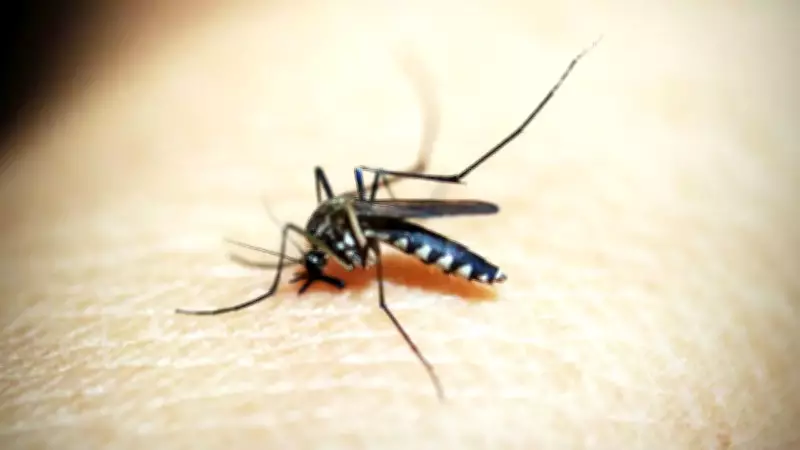
A mosquito is an incredibly small insect, but its bite possesses the potential to be fatal to a human being. The mosquito's midgut functions as a critical biological gatekeeper, distinguishing between a mild, itchy bump and a potentially lethal infection from viruses such as Dengue or Malaria. This distinction is central to understanding mosquito-borne diseases.
The Role of Microbial Communities and Neuroendocrine Cells
A substantial microbial community within the mosquito plays a decisive role in determining its vector competence, which refers to how effectively it can transmit pathogens. The National Institutes of Health (NIH) clarifies that this gut microbial community is a primary factor in vector competence. In a groundbreaking study conducted at Columbia University, researchers made a significant discovery: neuroendocrine (NE) cells located in the gut send signals to the mosquito's brain to coordinate biting activity.
When either the microbial community or these neuroendocrine cells fail to establish an effective barrier against pathogens, the pathogens can bypass the gut entirely. They then migrate to the salivary glands, complete the typical blood meal process, and ultimately cause a deadly infection in the human host.

What Happens Inside the Mosquito's Gut
For a mosquito to become a vector of death, it must first survive its own meal. A bite becomes harmful only if the pathogen—whether a virus or a parasite—can navigate past all the mosquito's internal defenses.
- Midgut Infection Barrier: This represents the first line of the mosquito's defense system. According to research published in Frontiers in Microbiology (2025), this barrier filters out viruses and determines whether they can successfully enter the mosquito's system. A virus will fail at this initial stage if it cannot bind to specific gut receptors or if it becomes trapped by the peritrophic matrix, a protective sleeve that lines the midgut.
- Microbial Interference: Contrary to popular belief, not all mosquitoes are empty vessels devoid of bacteria. Some harbor beneficial bacteria, such as Wolbachia. Data from the World Mosquito Program indicates that this particular bacterium can inhibit the replication of certain viruses, including Dengue. If a mosquito possesses these microbial bodyguards, its bite is far less likely to transmit any disease.
Why Are Some Mosquito Bites Harmless and Others Fatal?
The potential fatality of a mosquito bite may depend more on the individual who receives the bite than on the mosquito itself. Several human factors come into play:
- Genetic Predisposition: An individual's genetic makeup significantly influences how they respond to mosquito saliva. A Genome-Wide Association Study (GWAS) published in PMC identified 15 unique human genetic markers believed to control the human response to mosquito saliva. Some individuals exhibit an exaggerated hyperimmune response that immediately eliminates the pathogen, while others have a delayed immune response that allows the virus to multiply rapidly.
- Skin Chemistry: A person with high levels of certain skin volatile compounds, such as lactic acid, experiences increased attraction and frequency of mosquito bites. By being bitten more frequently, this individual statistically increases their likelihood of being bitten by an infected vector, turning a seemingly harmless summer evening into a hazardous situation.
How Mosquito Saliva Numbs the Human Immune System
While an allergic reaction is responsible for the characteristic itch of a mosquito bite, many proteins in the saliva are part of advanced biological mechanisms that enable the mosquito to feed successfully.

- Anticoagulants and Anaesthetics: To withdraw blood efficiently, a mosquito injects a combination of proteins into the host's body. These proteins prevent blood from clotting and numb the area. Research by the National Institute of Allergy and Infectious Diseases (NIAID) has demonstrated that these saliva proteins also help suppress local immunity, creating a critical window of opportunity for pathogens to enter the bloodstream and initiate disease.
- Salivary Gland Barrier: This serves as the final checkpoint. If a virus survives the gut barriers, it must still be successfully delivered to the salivary glands before it can infect a human. If the virus fails at this step, the mosquito bite results in nothing more than an itch. If it succeeds, the bite becomes a transmission event for the virus.
This comprehensive research underscores the complex interplay between mosquito biology and human physiology, explaining the stark difference between a harmless nuisance and a life-threatening infection.