

Can Ozempic Cause Hair Loss? A Deep Dive into Weight Loss Drug Side Effects
Ozempic, a medication widely used for weight loss and diabetes management, has gained significant attention for its effectiveness. However, concerns are rising about potential side effects, including hair loss. This article explores whether Ozempic can indeed lead to hair thinning or shedding, based on medical insights and user reports.
Understanding Ozempic and Its Primary Uses
Ozempic, with the active ingredient semaglutide, is primarily prescribed for type 2 diabetes to improve blood sugar control. In recent years, it has been increasingly used off-label for weight loss due to its ability to suppress appetite and promote satiety. The drug works by mimicking a hormone called GLP-1, which regulates insulin and slows digestion.
Hair Loss as a Potential Side Effect
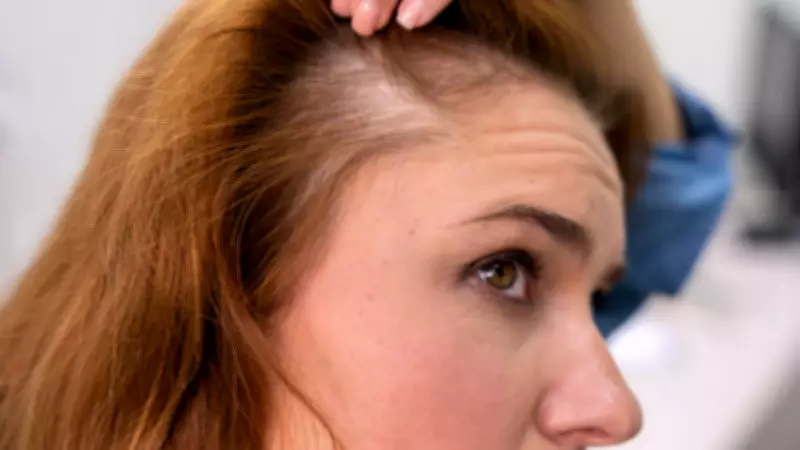
Medical experts note that hair loss, or telogen effluvium, can occur as a side effect of Ozempic. This condition involves excessive shedding of hair, typically triggered by physical or emotional stress on the body. Rapid weight loss, a common outcome of Ozempic use, is a known factor that can push hair follicles into a resting phase, leading to temporary hair loss.

- Rapid Weight Reduction: Significant and quick loss of body weight can shock the system, disrupting the normal hair growth cycle.
- Nutritional Deficiencies: Reduced calorie intake while on Ozempic may lead to insufficient nutrients like iron, zinc, and protein, essential for healthy hair.
- Metabolic Changes: Alterations in hormone levels and metabolism due to semaglutide can impact hair follicle health.
Expert Insights and Management Strategies
Healthcare professionals emphasize that hair loss from Ozempic is usually temporary and reversible. Patients experiencing this side effect are advised to consult their doctors for personalized guidance. Recommendations often include ensuring a balanced diet rich in vitamins and minerals, monitoring weight loss pace, and considering supplements if deficiencies are identified.
Preventive Measures to Minimize Hair Loss:- Maintain a gradual weight loss rate under medical supervision.
- Incorporate protein-rich foods and essential nutrients into daily meals.
- Stay hydrated and manage stress levels through healthy lifestyle practices.
Conclusion: Weighing Benefits Against Risks
While Ozempic offers substantial benefits for weight management and diabetes control, potential side effects like hair loss should not be overlooked. Users are encouraged to discuss any concerns with healthcare providers to balance treatment efficacy with overall well-being. Awareness and proactive management can help mitigate adverse effects, ensuring a safer journey toward health goals.






