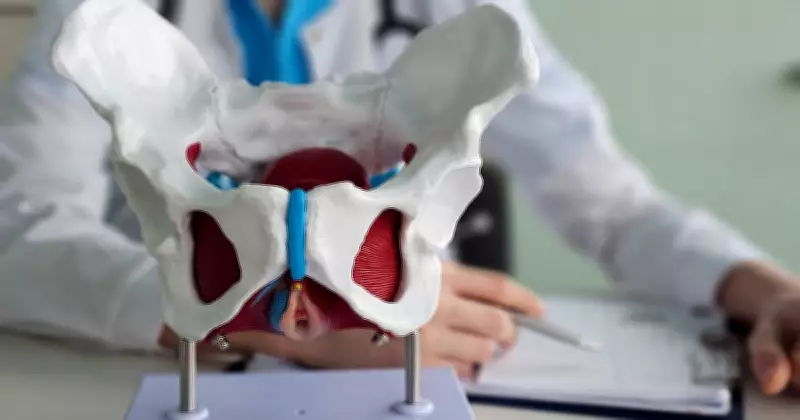
Pelvic prolapse, a condition where pelvic organs descend due to weakened supporting muscles, is fixable with surgery, yet a significant number of women remain uninformed. According to recent data, one in three women is unaware of this condition and its treatment options.
Understanding Pelvic Prolapse
Pelvic prolapse occurs when the pelvic floor muscles and connective tissues weaken, allowing organs such as the bladder, uterus, or rectum to protrude into or beyond the vaginal walls. While some women experience no symptoms, others suffer from a range of discomforts that can significantly impact quality of life.
Common Symptoms
- Urinary incontinence: Involuntary leakage of urine, often during physical activity or when coughing or sneezing.
- Constipation: Difficulty with bowel movements due to pressure or obstruction from the prolapsed organ.
- Descent sensation: A feeling of heaviness or a bulge in the pelvic region, sometimes visible or palpable.
Risk Factors and Causes
Several factors contribute to the development of pelvic prolapse, including pregnancy and childbirth, menopause, aging, obesity, and chronic straining from heavy lifting or constipation. Hormonal changes during menopause can further weaken pelvic tissues.

Treatment Options
For symptomatic cases, surgery is often recommended to restore the anatomy and alleviate discomfort. Non-surgical approaches, such as pelvic floor exercises (Kegels), pessaries (support devices), and lifestyle modifications, may also be effective for mild cases. However, many women remain unaware that these treatments exist.
Awareness Gap
The lack of awareness among women is concerning. Health experts emphasize the importance of education and open discussion about pelvic health. Regular gynecological check-ups can aid in early detection and management. If you experience any symptoms, consult a healthcare provider for a proper evaluation.
In conclusion, pelvic prolapse is a common yet treatable condition. With proper awareness and medical intervention, women can achieve significant improvement in their symptoms and overall well-being.