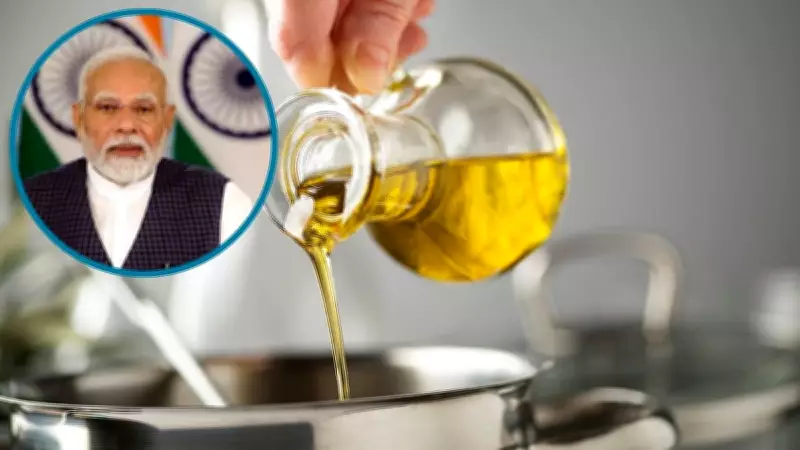
In his monthly virtual address 'Mann Ki Baat', Prime Minister Narendra Modi urged Indians to reduce their cooking oil consumption by 10 percent, emphasizing that such small steps can protect against lifestyle diseases. The appeal comes amid rising concerns over health impacts of excessive oil intake and India's heavy reliance on imported edible oils.
Why the Call for Reduction?
India is one of the world's largest consumers of vegetable oils, with annual consumption exceeding 25 million tonnes. A significant portion is imported, including palm oil from Southeast Asia, sunflower oil from Ukraine and Russia, and soybean oil from Argentina and Brazil. High consumption of refined oils, especially those high in trans fats, is linked to obesity, diabetes, and cardiovascular diseases. Modi's suggestion aims to promote mindful eating and reduce the burden of non-communicable diseases.
Can Indian Kitchens Find Alternatives?
Traditional Indian cooking has long used a variety of oils, each with distinct health benefits. Mustard oil, popular in eastern and northern India, is rich in monounsaturated fats and omega-3 fatty acids. Groundnut oil, common in western and southern regions, has a high smoke point and heart-healthy properties. Coconut oil, used in coastal areas, contains medium-chain triglycerides that may boost metabolism.

However, modern kitchens have shifted to refined vegetable oils due to affordability and availability. Nutritionists suggest blending traditional oils with modern ones to balance health and taste. For instance, using a mix of mustard and sunflower oil can reduce saturated fat while retaining flavor.
Modi's call also aligns with the government's push for self-reliance in edible oils. The National Mission on Edible Oils aims to boost domestic production of oilseeds like mustard, groundnut, and soybean. In 2025, India produced about 11 million tonnes of edible oils, meeting only half its demand. Reducing consumption by 10% could cut imports by 2.5 million tonnes, saving foreign exchange and promoting local agriculture.
Practical Tips for Households
- Measure oil usage: Use a spoon instead of pouring directly from the bottle to control quantity.
- Opt for healthier cooking methods: Steaming, grilling, or air-frying require less oil than deep-frying.
- Reuse oil wisely: Strain and store used oil for one more use, but avoid repeated reheating.
- Choose traditional oils: Incorporate mustard, groundnut, or coconut oil for their health benefits.
The Prime Minister's message has sparked a national conversation on dietary habits. While some critics argue that cutting oil may not address systemic issues like food processing quality, many health experts welcome the initiative. As Indian kitchens explore alternatives, the shift could lead to healthier families and a stronger agricultural economy.