Groundbreaking Discovery of a Dual-Sex Crab in India's Pristine Wilderness
In a remarkable scientific breakthrough, researchers from MES Mampad College and the University of Kerala have unveiled the discovery of a rare dual-sex crab, known as a gynandromorph, within the Gecarcinucidae family. This extraordinary find was made in the untouched ecosystems of Silent Valley National Park, located in India's Western Ghats, highlighting a natural genetic anomaly that provides unprecedented insights into chromosomal variations.
Unveiling the 'Glitch in Nature' in a Unique Habitat
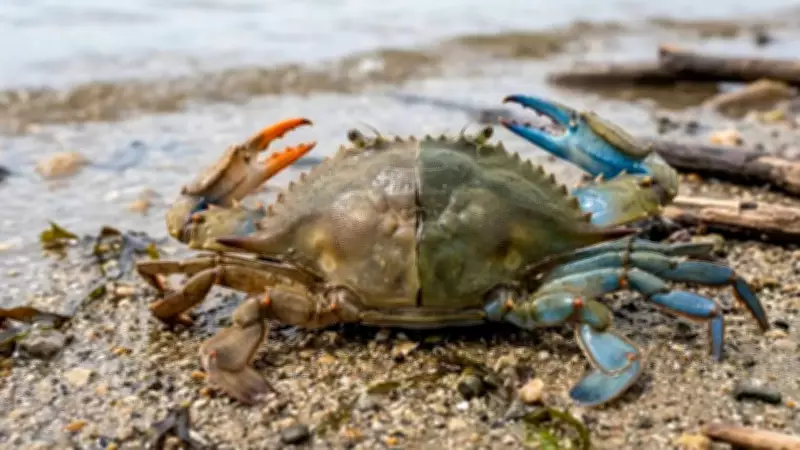
The crab, identified as Vela carli, exhibits a fascinating bilateral split, with its body distinctly divided into male and female halves. According to a study published in the international journal Crustaceana (Brill), this genetic mosaicism features a narrow male abdomen on one side and a broad female structure on the other. Unlike typical river-dwelling crabs, this specimen was found living in a phytotelm—a small tree hollow filled with rainwater—within the park's pristine environment.
The isolation of Silent Valley National Park, which remains largely unaltered by human activity, suggests that this gynandromorphism occurred naturally during development, rather than as a result of pollution or chemical exposure. This finding challenges previous assumptions about environmental influences on genetic anomalies.

Detailed Examination of the Crab's Unique Characteristics
At first glance, the crab's dual-sex nature might not be immediately apparent, but a closer inspection reveals a striking physical division. Internally, the crab possesses a testis on the left side and an ovary on the right, mirroring the external split. A clear physical line runs through the midline of the crab's ventral surface, where the narrow male abdomen meets the broad female abdomen.
The difference in shape between the male and female halves is significant: the male abdomen is very narrow, while the female abdomen is wide. This bilateral split, with no intermediate characteristics, underscores the rarity and precision of this genetic occurrence.
A World First for Freshwater Crab Research
While gynandromorphism has been observed in other animal groups such as butterflies and birds, this discovery marks the first documented case within the Gecarcinucidae family of freshwater crabs. This milestone is particularly significant as it demonstrates that such genetic anomalies can develop independently in isolated freshwater habitats, separate from larger saltwater ecosystems.
The research provides a unique baseline for understanding how nature produces these 'errors,' offering valuable data for comparative studies across different species and environments.
Implications for Future Genetic and Conservation Studies
Geneticists have dubbed this crab a 'canary in the coal mine' due to its discovery in a pollutant-free habitat. It will serve as a crucial reference point for further research into the genetic mechanisms of sex determination in crustaceans. By studying this gynandromorph, scientists aim to gain a clearer understanding of natural developmental processes and their variations.
Additionally, this finding has important implications for conservation efforts in the Western Ghats. Insights from this research could help protect other endangered species in the region by enhancing our knowledge of genetic diversity and ecological resilience. The study underscores the importance of preserving pristine habitats like Silent Valley National Park for scientific discovery and biodiversity conservation.
This discovery not only adds to the global body of knowledge on genetic anomalies but also highlights India's Western Ghats as a hotspot for unique biological phenomena, paving the way for future explorations in genetics and environmental science.