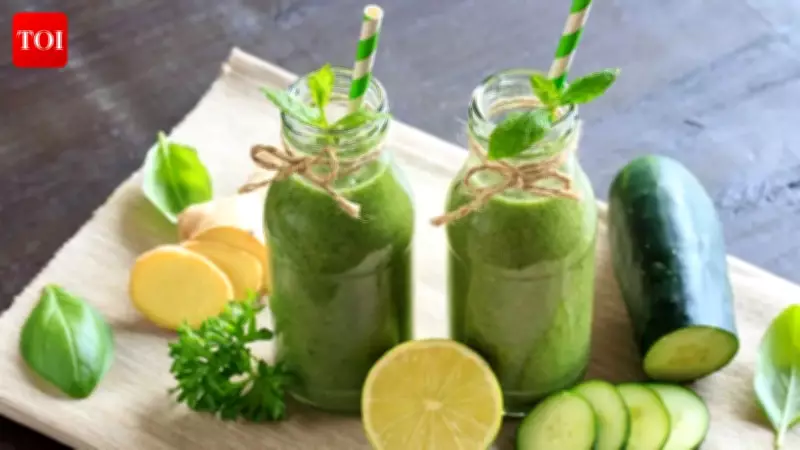
For years, raw vegetables in salads and green smoothies have dominated the wellness world. Influencers promote them as detox miracles, fitness enthusiasts blend spinach, kale, berries, nuts, and seeds, and nutrition plans promise glowing skin and weight loss from leafy bowls. Many assumed that anything green and raw is automatically healthy. However, a growing number of doctors are now urging caution, suggesting that the picture is more complex.
Expert Warning on Kidney Stone Risk
Dr. Obaidur Rahman, known as @drobaid_rahman on Instagram, recently drew attention by warning that healthy smoothies and salads might elevate the risk of kidney stones, particularly when certain ingredients are consumed excessively. He explains that smoothies packed with raw, oxalate-rich greens like spinach can lead to kidney issues. When too many raw oxalates are ingested, they bind with calcium to form calcium oxalate stones, which constitute the majority of kidney stones. While raw salads and smoothies offer benefits like fiber and vitamins, balance is crucial.
Are Raw Salads Unhealthy?
Not inherently. The problem arises from regularly consuming large amounts of oxalate-heavy foods, especially in blended or juiced forms. Scientific research confirms that excessive oxalate intake, combined with dehydration, low calcium levels, digestive issues, or a history of kidney stones, can increase risk. Approximately 75% to 80% of kidney stones are composed primarily of calcium oxalate crystals. Oxalates are naturally occurring compounds found in many nutritious plant foods, including spinach, beetroot, chard, almonds, raspberries, cacao, certain seeds, and vegetable juices. The danger emerges when oxalate intake becomes excessively high and pairs with risk factors like dehydration, low calcium, digestive disorders, or a personal history of stones.

Ironically, a detox superfood smoothie can contain multiple high-oxalate items blended at levels far higher than in a typical meal. Researchers note that vegetable juices, such as beetroot juice, can have oxalate levels well above normal. Blending or juicing allows consumption of more vegetables quickly—no one eats half a kilo of raw spinach, but it disappears into a morning smoothie. Studies link high dietary oxalate with increased kidney stone risk, especially in prone individuals, and blending may enhance oxalate absorption.
How to Eat Salads and Smoothies Safely
Dr. Rahman and most nutritionists advocate for balance rather than excess. Here are smarter approaches:
- Limit raw spinach: You don't need to eliminate it, but mixing in other greens or lightly steaming leaves can reduce oxalate buildup.
- Vary your greens: Opt for lettuce, arugula, bok choy, or milder kale instead of constant dark leafy greens.
- Stay hydrated: Drink plenty of water, especially when consuming high-oxalate foods, to help kidneys flush out risky minerals.
- Avoid smoothie magic thinking: No single salad or smoothie can cleanse your liver overnight. The danger lies in repetition—spinach smoothies for breakfast, raw kale all day, veggie juices at every meal. It is about variety, not demonizing foods.
Studies show that fruits and vegetables help prevent kidney stones when consumed reasonably. A well-balanced diet boosts citrate levels in urine, which protects against stones. Diets rich in diverse fresh produce are linked to lower risk.
Key Factors for Salads and Smoothies
The holy trinity is variety, moderation, and preparation. Cooking vegetables helps: boiling can reduce oxalates by 30% to nearly 90%, depending on the plant. Steamed spinach is far less risky than a giant raw smoothie every morning. Practical tips include:

- Change up greens; do not rely solely on spinach.
- Pair high-oxalate foods with calcium-rich options like dairy or fortified milks, as calcium binds to oxalates before reaching the kidneys.
- Maintain adequate water intake, as dehydration increases stone risk.
- Mix your diet; no single green, fruit, or protein should dominate.
Nutrition science is shifting from superfoods to overall dietary patterns. Health is not about one miracle food but sustainable, balanced choices over time. Salads are not the enemy, nor are smoothies secret health hazards. However, extremes and obsessions with even healthy trends can carry hidden costs.
About the Author: TOI Lifestyle Desk — The TOI Lifestyle Desk is a dynamic team of dedicated journalists who curate a vibrant tapestry of lifestyle news for The Times of India readers. They go beyond the obvious, delving into the extraordinary, providing daily inspiration and information on fashion, travel, culinary delights, and wellness tips.