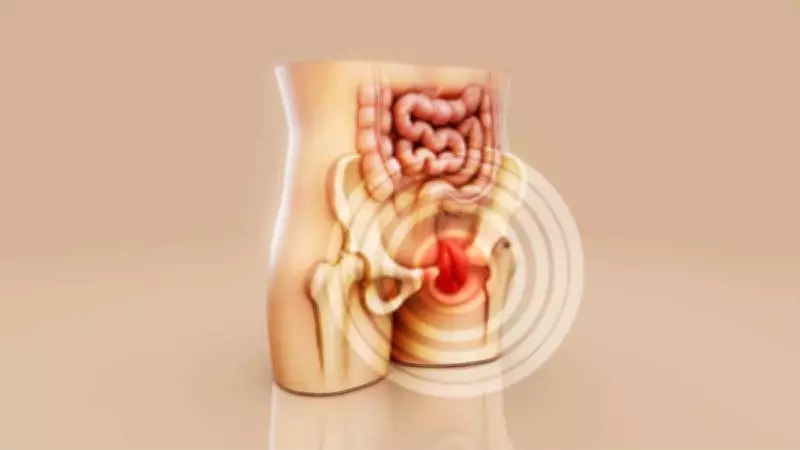
Hernias are a common medical condition where an organ or tissue protrudes through a weak spot in the surrounding muscle or connective tissue. While many hernias are successfully treated with surgery, some patients experience a recurrence, known as recurrent hernia. Understanding the causes of recurrent hernia, why some surgeries fail, and the success rates of different repair techniques, including robotic hernia surgery, is crucial for patients and healthcare providers.
What is a Recurrent Hernia?
A recurrent hernia occurs when a hernia returns after surgical repair. It can happen weeks, months, or even years after the initial surgery. The recurrence rate varies depending on the type of hernia, surgical technique, and patient factors. Inguinal hernias, for example, have a recurrence rate of 1-5% after primary repair, but this can be higher in certain populations.
Causes of Recurrent Hernia
Several factors contribute to the development of a recurrent hernia. The primary causes include:

- Technical factors: Inadequate surgical technique, such as improper mesh placement or insufficient tension-free repair, can lead to recurrence.
- Patient factors: Obesity, smoking, chronic cough, constipation, heavy lifting, and poor wound healing increase the risk.
- Mesh-related issues: Mesh shrinkage, migration, or infection can compromise the repair.
- Infection: Surgical site infections weaken the repair and increase recurrence risk.
- Increased intra-abdominal pressure: Conditions like ascites, pregnancy, or strenuous activity can strain the repair.
Why Do Hernia Surgeries Fail?
Hernia surgery failure can be attributed to multiple reasons. Understanding these can help in prevention and better surgical outcomes.
Technical Errors
Inadequate dissection, improper mesh fixation, or failure to address all hernia defects are common technical errors. For instance, in laparoscopic surgery, insufficient overlap of the mesh can lead to recurrence.
Patient-Related Factors
Patient non-compliance with postoperative instructions, such as lifting heavy objects too soon, can cause failure. Additionally, conditions like diabetes or immunosuppression impair healing.
Mesh Complications
Mesh can shrink over time, causing the repair to pull away from the tissue. Mesh infection may require removal, leading to recurrence. Rarely, the body may reject the mesh.
Surgeon Experience
Surgeons with less experience in hernia repair may have higher failure rates. Specialized hernia centers often report better outcomes.
Success Rate of Hernia Repair
The success rate of hernia repair is generally high, with primary repairs having success rates over 90%. However, recurrence rates vary:
- Open mesh repair: Success rate of 95-99% for inguinal hernias.
- Laparoscopic repair: Similar success rates, with less postoperative pain and faster recovery.
- Robotic hernia surgery: Emerging technique with success rates comparable to laparoscopic, but with enhanced precision.
For recurrent hernias, success rates are slightly lower, around 80-90%, depending on the complexity and technique used.
Robotic Hernia Surgery: A Modern Approach
Robotic hernia surgery uses a robotic system to assist the surgeon, offering improved visualization, precision, and dexterity. It is particularly beneficial for complex or recurrent hernias.
Benefits of Robotic Surgery
- Enhanced visualization: 3D high-definition view allows better identification of anatomy.
- Greater precision: Robotic arms filter tremors and allow fine movements.
- Less pain: Smaller incisions lead to reduced postoperative discomfort.
- Faster recovery: Patients often return to normal activities sooner.
Success Rate of Robotic Hernia Repair
Studies show that robotic hernia repair has success rates similar to laparoscopic surgery, with the added advantage of handling complex cases. For recurrent hernias, robotic surgery can achieve success rates of 85-95% in experienced hands.

Preventing Recurrent Hernia
Prevention strategies include choosing an experienced surgeon, following postoperative care instructions, maintaining a healthy weight, quitting smoking, and avoiding heavy lifting during recovery. For patients with high risk, using a larger mesh or a stronger fixation method may be recommended.
When to See a Doctor
Symptoms of a recurrent hernia include a bulge in the same area, pain or discomfort, and a feeling of heaviness. If you experience these, consult a surgeon promptly. Early intervention can prevent complications like incarceration or strangulation.
In conclusion, recurrent hernia is a manageable condition with modern surgical techniques. Understanding the causes of failure and the high success rates of robotic surgery can help patients make informed decisions. Always discuss with your healthcare provider to choose the best treatment plan for your specific case.