

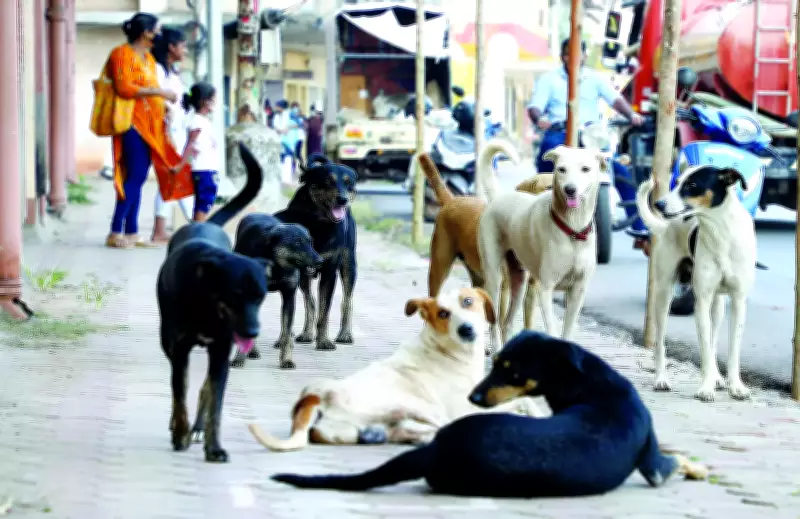
South Goa Intensifies Rabies Surveillance Amid Rising Cases in Karnataka's Karwar
In response to a concerning increase in canine rabies cases in the neighbouring Karwar region of Karnataka, health and veterinary authorities in South Goa have significantly intensified surveillance and intervention measures along the interstate border. This proactive move aims to prevent the potential spillover of the deadly virus into Goa's Canacona area, safeguarding both animal and human populations.
Escalating Threat from Karwar
According to data from Mission Rabies, Karwar reported a total of 45 rabies-positive dogs in the year 2025. Alarmingly, the situation has continued into 2026, with 15 cases already detected in the early months, highlighting an ongoing and escalating threat. Officials have expressed serious concerns that without immediate and coordinated action, these cases could easily cross into South Goa, particularly affecting the border region of Canacona.
"Ongoing rabies cases in dogs near the interstate boundary pose a significant risk if not contained through timely surveillance and vaccination," stated officials involved in the response efforts. The authorities are now strengthening monitoring systems along the border to track and mitigate any potential spread.

Coordinated Strategy and Field Actions
To address this critical situation, field visits and high-level discussions with local administrators, including officials from the Karwar district, are currently underway. The goal is to formulate and implement a joint response strategy that transcends state lines. Murugan Appupillai, director of education at Mission Rabies Goa, outlined the comprehensive plan: "The strategy includes expanding vaccination campaigns among stray dog populations, increasing surveillance officers in sensitive border zones, and improving early detection and reporting mechanisms."
This multi-pronged approach is designed to create a robust barrier against the virus. Additional personnel are expected to be deployed soon to enhance case detection capabilities and foster greater community engagement, ensuring that residents are informed and involved in prevention efforts.
Concerns Over Underreporting in Neighbouring Areas
While Karwar has experienced a noticeable spike in rabies cases, the neighbouring Sawantwadi region has reported relatively stable numbers. However, Appupillai raised a red flag regarding potential data gaps: "We suspect underreporting may be masking the true situation. Earlier, reporting was strong, but in the past six months, it has declined. We are investigating the reasons and working to strengthen the system." This underscores the importance of accurate data in effectively combating the spread of rabies.
Current Status and Human Health Assurance
In a reassuring note, Appupillai confirmed that all current cases under discussion involve dogs, with no human infections reported in this specific context so far. This highlights the effectiveness of current containment measures but also serves as a stark reminder of the constant vigilance required to maintain this status. The intensified efforts in South Goa represent a critical step in regional public health security, aiming to curb the rabies threat before it escalates further.






