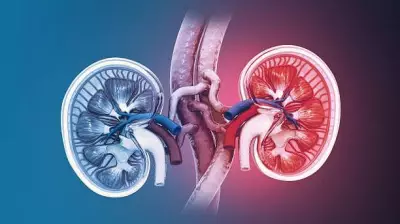
Summer Heat Elevates Kidney Stone Risk: Expert Prevention Guide
When summer temperatures soar, the human body faces more than just discomfort from the heat. A significant and often overlooked consequence is the increased risk of developing painful kidney stones. Medical professionals observe a clear seasonal spike in cases as thermometers climb, driven by physiological changes and lifestyle factors unique to warmer months.
The Dehydration Connection: Why Summer Creates Perfect Conditions
Dr. Ankur Bhatnagar, Senior Consultant and Head of Urology and Kidney Transplant at Accord Super Speciality Hospital in Faridabad NCR, provides a straightforward explanation. "Kidney stones become more prevalent during summers," he states. "The primary risk factor is dehydration resulting from excessive heat and sweating. This reduces urine volume, making it more concentrated and significantly increasing the likelihood of stone formation."
The body's natural cooling mechanism—sweating—becomes a double-edged sword. While it regulates temperature, it depletes vital fluids. When these losses aren't adequately replenished, kidneys receive less water to process waste. Consequently, urine output diminishes, and the remaining urine carries higher concentrations of stone-forming substances like calcium, oxalate, and uric acid.

However, hydration isn't the sole contributor. Summer often brings dietary changes, including increased consumption of salty snacks, sugary packaged drinks, and protein-heavy meals, particularly among fitness enthusiasts. These choices, combined with inadequate fluid intake, create an environment conducive to stone development.
Dr. Bhatnagar identifies several high-risk groups:
- Individuals who do not drink sufficient water, especially in hot climates
- Those with a personal or family history of kidney stones
- People consuming diets rich in salt, animal protein, or oxalate-heavy foods like spinach, nuts, and chocolate
- Individuals with obesity, metabolic syndrome, or urinary tract infections
The convergence of heat, dietary habits, and genetic predisposition creates a multifaceted risk profile that requires comprehensive management.
Recognizing Subtle Symptoms: Early Warning Signs
Kidney stones frequently remain asymptomatic until they begin to move within the urinary tract. When symptoms emerge, they can be severe and unmistakable. Common indicators include:
- Sharp, sudden pain in the lower back or side that may radiate to the abdomen or groin
- Nausea and vomiting
- Burning sensation during urination
- Visible blood in urine
Many individuals mistakenly attribute these symptoms to acidity, muscle strain, or digestive issues, leading to dangerous delays in seeking medical attention. Such postponement can exacerbate complications, particularly if the stone causes obstruction or infection.
Practical Prevention Strategies: Small Changes, Significant Impact
Prevention consistently proves more manageable than treatment, requiring consistent implementation of straightforward habits rather than drastic measures. Dr. Bhatnagar outlines several effective preventive approaches:
- Hydration Monitoring: Consume 3–4 liters of water daily, using urine color as a hydration guide. Pale or clear urine indicates adequate hydration, while dark yellow signals the need for increased fluid intake.
- Dietary Modifications: Limit excessive salt, fried foods, and animal protein. Reduce consumption of oxalate-rich items and incorporate citrate-rich foods like lemon water, oranges, and other citrus fruits.
- Exercise Caution: Avoid intense physical activity in extreme heat, including hot yoga or sauna sessions. Sip water regularly during workouts to maintain proper hydration levels.
These seemingly obvious measures are frequently overlooked during summer routines but form the cornerstone of effective stone prevention.
Treatment Pathways: From Natural Passage to Medical Intervention
Not all kidney stones necessitate surgical intervention. Dr. Bhatnagar clarifies, "Small stones, typically those under 5.5 millimeters, often pass spontaneously with pain management, increased fluid intake, and sometimes medications that relax the ureter."

However, larger stones present different challenges. They may become lodged, cause persistent pain, or lead to infections, requiring medical procedures such as:
- Retrograde intrarenal surgery (RIRS)
- Extracorporeal shock-wave lithotripsy (ESWL)
- Ureteroscopy
- Percutaneous nephrolithotomy (PCNL)
While many contemporary treatments are minimally invasive and highly effective, prevention remains the preferred approach for avoiding these interventions altogether.
The Recurrence Challenge: Why Stones Often Return
A particularly frustrating aspect of kidney stones is their tendency to recur. Individuals with a history of stones face elevated risks of developing new ones. Consequently, comprehensive management extends beyond immediate treatment to include long-term preventive strategies.
Dr. Bhatnagar emphasizes, "Physicians frequently recommend dietary adjustments and specific blood or urine tests to monitor levels of calcium, uric acid, oxalate, and citrate. This monitoring helps prevent new stone formation and reduces recurrence rates."
This diagnostic approach functions like medical detective work, identifying underlying causes to implement targeted prevention.
Beyond Hydration: A Holistic Summer Health Approach
While adequate water intake forms the foundation of kidney stone prevention, it represents just one component of a comprehensive strategy. Summer lifestyle choices—including dietary patterns, exercise routines, sun exposure duration, and hydration habits—collectively influence stone risk.
Furthermore, awareness remains crucial. The misconception that kidney stones primarily affect older adults or constitute isolated incidents persists. Contemporary data reveals increasing cases among younger, apparently healthy individuals, potentially linked to modern diets, prolonged air-conditioned environment exposure, and habitual thirst neglect.
Proactive management of hydration, diet, and activity during summer months can substantially reduce kidney stone risks, transforming prevention from a medical concern into a manageable aspect of seasonal wellness.