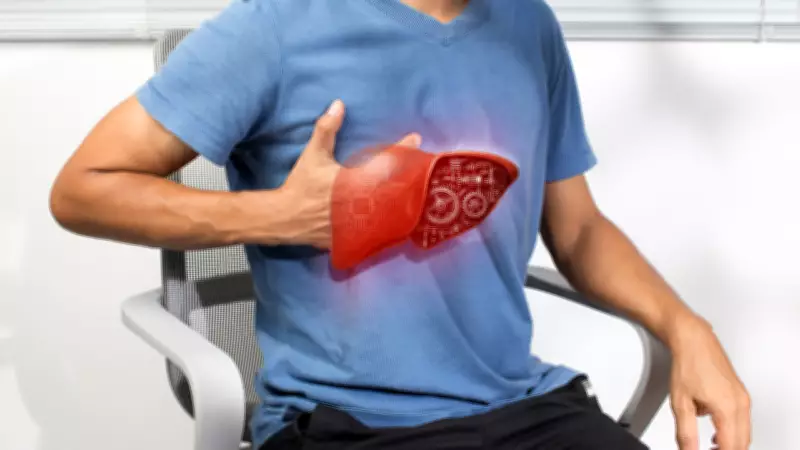
Many people dismiss a heavy stomach after a large meal as normal. Occasional bloating from eating too quickly, gas-producing foods, or digestive issues is common. However, when that feeling of fullness persists, it may signal something more serious. Doctors warn that liver enlargement is often mistaken for ordinary bloating, leading to delayed diagnosis and treatment.
Bloating vs Swollen Liver: A Critical Distinction
According to Dr Ankur Garg, Group Director of Liver Transplant and GI Surgery at Paras Health, Gurgaon, confusion between the two conditions is extremely common. Patients frequently complain of persistent abdominal tightness, dismissing it as routine digestive bloating, when in fact their liver is structurally enlarged. Bloating is a subjective, transient symptom—an uncomfortable sensation of trapped gas or pressure in the gastrointestinal tract, usually linked to diet or gut motility. In contrast, a swollen liver, medically known as hepatomegaly, is an objective diagnosis where the organ has physically expanded due to fat accumulation, viral infections, or cellular inflammation. Bloating comes and goes; a swollen liver does not.
Why Warning Signs Are Missed
The liver can continue functioning even under significant stress, so an enlarged liver may not cause dramatic pain. Instead, patients may experience a vague sense of fullness under the right ribs, persistent abdominal discomfort, unusual fatigue, loss of appetite, or a constantly stretched feeling. These symptoms overlap with common digestive complaints, leading many to attribute them to acidity, overeating, stress, or gas. The rising prevalence of non-alcoholic fatty liver disease, driven by obesity, diabetes, sedentary lifestyles, and poor diet, makes this issue even more critical. According to the National Institute of Diabetes and Digestive and Kidney Diseases, fatty liver disease is now one of the most common liver disorders worldwide.

Signs That Suggest It's More Than Bloating
Ordinary bloating follows a predictable pattern: it worsens after certain meals, improves with passing gas, or resolves within hours. A swollen liver behaves differently. Signs that warrant medical attention include:
- Abdominal fullness lasting weeks, not hours
- Discomfort or heaviness in the upper right abdomen
- Unexplained fatigue
- Loss of appetite
- Nausea without a clear digestive cause
- Swelling in legs or ankles
- Yellowing of skin or eyes
- Unexplained weight changes
While none of these symptoms automatically indicate liver disease, persistence should not be ignored. The liver is often called the silent organ because significant damage can occur before obvious symptoms appear.
Modern Lifestyle Increases Risk
Many still associate liver disease only with alcohol, but metabolic health is now a major driver. Excess weight, high blood sugar, insulin resistance, elevated cholesterol, poor sleep, and inactivity all contribute to fat accumulation in the liver. Dr Garg highlights that chronic metabolic and liver diseases are soaring, with fatty liver diseases affecting over 30% of adults worldwide. The US Centers for Disease Control and Prevention recommends maintaining a healthy weight, staying active, and managing diabetes to reduce risk.
Prevention Through Awareness
The most powerful tool against liver disease is awareness. Delaying evaluation can have serious consequences. When patients dismiss an enlarged organ as indigestion, they lose critical time for simple, non-invasive management. Understanding the difference between a fleeting gut symptom and a definitive hepatic diagnosis changes patient care trajectories.

Simple Habits to Protect Liver Health
- Maintain a healthy body weight
- Exercise regularly
- Limit alcohol consumption
- Control blood sugar and cholesterol levels
- Eat a balanced diet rich in fruits, vegetables, whole grains, and lean proteins
- Avoid unnecessary supplements and medications without medical advice
- Get recommended hepatitis vaccinations
- Seek medical evaluation if abdominal symptoms persist
Persistent abdominal fullness should not always be dismissed as a digestive inconvenience. Sometimes the body is communicating something deeper. The difference between bloating and a swollen liver may seem small, but it can determine whether a condition is detected early or allowed to progress silently for years.