Uttarakhand Sees Marginal Decline in Tuberculosis Cases for 2025
On the occasion of World TB Day, the Uttarakhand health department released crucial data revealing a slight reduction in tuberculosis cases across the state. According to the official figures, Uttarakhand recorded 28,608 TB cases in 2025, marking a decrease from the 29,038 cases reported in 2024. This data underscores the ongoing public health efforts to combat the infectious disease in the Himalayan state.
District-Wise Breakdown Highlights Dehradun as the Epicenter
The district-wise analysis for 2025 paints a clear picture of the tuberculosis burden. Dehradun district reported the highest number of cases at 8,983, followed closely by Haridwar with 6,598 cases and Udham Singh Nagar with 5,134 cases. Other districts showed lower incidences, including Nainital (3,110), Pauri Garhwal (1,337), and Rudraprayag, which had the fewest cases at just 290.
Impressive Treatment Success Rate and Financial Support
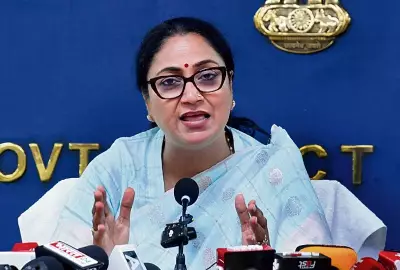
Dr. Rashmi Pant, Director of the Uttarakhand National Health Mission, provided encouraging details about the state's response. "The state successfully treated 26,327 patients, achieving a treatment success rate of nearly 91%," she stated. Financial assistance played a key role, with approximately Rs 13.7 crore disbursed under the Nikshay Poshan Yojana out of a total budget of Rs 16.8 crore allocated for 2025. This scheme provides nutritional support to TB patients, enhancing their recovery prospects.

Recognition and Screening Efforts Amplify Fight Against TB
In a ceremony at the Raj Bhavan in Dehradun, health workers and community members were honored for their contributions. Governor Lt Gen Gurmit Singh (retd) lauded their dedication, describing them as a "ray of hope" in the battle against tuberculosis. Officials also highlighted that Uttarakhand exceeded its TB notification target, partly due to cases involving residents infected outside the state but recorded locally. Since December 2024, extensive screening efforts have been underway, with over 14.1 lakh vulnerable individuals enrolled and around 4.6 lakh undergoing X-ray screening, demonstrating a proactive approach to early detection and prevention.