It began subtly, a discomfort that many would dismiss as a consequence of a demanding lifestyle. Jessica Giddens, an Austrian mother living in Western Australia, initially pushed through the unease. At 38, she experienced frequent heartburn after meals and persistent indigestion. In August 2020, she was working long days on a dairy farm while raising two children. She attributed her symptoms to the physical toll of her job, household chores, and everyday stress. However, those overlooked signs would later reveal a devastating truth: at 44, she was diagnosed with an incurable 'silent killer' cancer.
The Discomfort That Was Overlooked
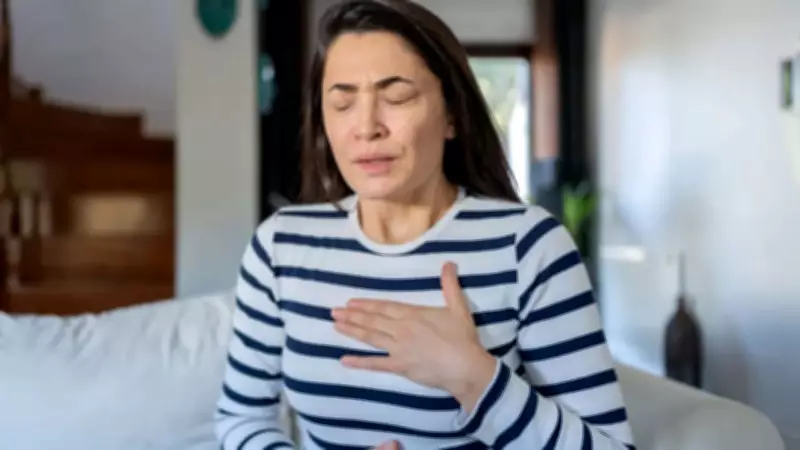
Heartburn, indigestion, and back pain – Giddens believed these were merely results of her demanding work and family responsibilities. But years later, these mysterious symptoms turned out to be warning signs of stage 4 cancer. “I just thought it was from working all the time,” she told the Daily Mail. Over time, the symptoms worsened, becoming impossible to ignore. She struggled to eat, experienced daily bloating, and made frequent trips to the bathroom. Eventually, she noticed a hard lump in her stomach. Initially subtle, the lump began to hurt, especially after meals.
Misdiagnosis and Struggle
When she sought medical help, doctors initially diagnosed a gallbladder issue. They suspected she had passed a gallstone and placed her on a waiting list for gallbladder removal. However, her condition deteriorated. The pain became unbearable, her appetite declined, and she experienced alarming weight loss. Traveling over three hours each way to the hospital, she found it difficult to drive alone and relied on her partner for assistance. “It took three to four months to figure out what was wrong. I was in and out of the hospital the whole time,” Giddens recalled.

By December 2020, she had lost significant weight, dropping from 90 kg to 75 kg. Jaundice set in, causing yellowing of her skin and eyes – a sign that her liver and bile ducts were affected. Indigestion intensified, making eating painful and difficult. Further tests and scans revealed a tumor in the head of her pancreas.
Complex Surgery and Diagnosis
On 31 December 2020, she underwent a Whipple procedure, one of the most complex abdominal surgeries, to remove tumors from the pancreas and surrounding organs. The operation lasted about 10 hours, with machines and monitors supporting her body. After a hospital stay, the diagnosis came: pancreatic cancer. It was rare at her age. “I didn't think at 38 you could get pancreatic cancer. But I had to keep fighting. I wanted to live,” she said.
What is Pancreatic Cancer?
Pancreatic cancer originates in the pancreas. According to the American Cancer Society, pancreatic adenocarcinoma is the most common type. Pancreatic neuroendocrine tumors (NETs) are less common. The average lifetime risk is about 1 in 56 for men and 1 in 60 for women. Risk factors include age, with diagnosis more common in older individuals. This cancer has a poor prognosis due to difficulty in early detection.
After a short recovery, Giddens began intensive chemotherapy every fortnight, with sessions lasting several hours. She managed persistent nausea, frequent vomiting, extreme fatigue, and rapid weight loss. She lost her hair early on. Eating became a major challenge; her digestive system changed after the Whipple procedure, reducing stomach capacity. She needed enzyme supplements to break down food, but maintaining weight was tough. “You try your best to eat, but nothing tastes right. I just couldn't keep it down,” she explained.
After eight months of chemotherapy, scans showed no detectable cancer, bringing relief. She resumed work on the farm. However, months later, after contracting COVID-19, blood tests revealed tumor markers. Further imaging found small nodules in her lungs. The cancer returned and was classified as terminal.

Now 44, Giddens continues chemotherapy as a lifelong commitment to slow disease progression. “I'm okay with it. It is what it is,” she said. She quit work to focus on her health and family. The Nannup community, along with family and friends, provides practical and emotional support. “I feel really lucky to still be here, surrounded by so much love and support. But the reality of my situation means my family and I haven't been able to make any plans for the future. I don't have a bucket list or anything. I don't think going overseas will be in the cards for me. We just take it one day at a time,” she shared.
Giddens now raises cancer awareness, emphasizing the importance of not overlooking symptoms. “Pancreatic cancer is such a silent killer. You don't always realise the symptoms,” she said.
Disclaimer: This article is for informational purposes only and is not intended as medical advice. It should not be used as a substitute for professional diagnosis, treatment, or guidance from a qualified healthcare provider. If you have any concerns about your health or experience similar symptoms, seek medical attention promptly.