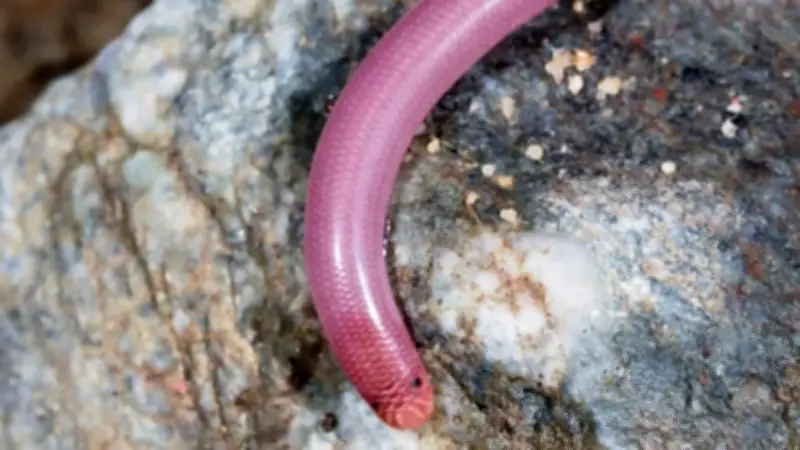
10 Tiny Snakes That Look Like Worms
When people think of snakes, they often imagine large, fearsome reptiles. However, many snake species are incredibly small and thin, so much so that they can be mistaken for earthworms. These tiny snakes are almost always harmless and play a vital role in maintaining ecosystem balance. They have mastered the art of hiding, living underground or beneath leaf litter. Here are ten such fascinating snakes.
1. Brahminy Blind Snake
Also known as the flowerpot snake, the Brahminy blind snake is a unique species with a smooth, shiny body that rarely exceeds a few inches. Its small size makes it resemble an earthworm. This snake is commonly found underground and is often introduced to new areas via potted plants.
2. Thread Snake
Thread snakes are among the smallest snakes in the world, with some species reaching only 10 centimeters in length. They have slender, cylindrical bodies and are often found in soil or under rocks. These snakes feed on ant and termite larvae.

3. Ringneck Snake
The ringneck snake is a small, slender snake with a distinctive yellow or orange ring around its neck. Adults typically grow to 25-38 centimeters. They are secretive and prefer moist habitats like forests and gardens.
4. Rough Earth Snake
Rough earth snakes are small, burrowing snakes that grow up to 20 centimeters. They have keeled scales that give them a rough texture. These snakes are often found in loose soil or under debris.
5. Flat-headed Snake
As the name suggests, this snake has a flattened head that helps it burrow. It reaches about 20 centimeters in length and is commonly found in the southeastern United States. It feeds on insects and spiders.
6. Brown Snake
Brown snakes are small, non-venomous snakes that grow to 30-45 centimeters. They are often found in gardens and forests, where they hunt for slugs and earthworms. Their coloration helps them blend into leaf litter.
7. Red-bellied Snake
This tiny snake has a bright red or orange belly and a brown or gray back. Adults are usually 20-25 centimeters long. They inhabit moist woodlands and feed on invertebrates.
8. Smooth Earth Snake
Smooth earth snakes are small, glossy snakes that reach about 25 centimeters. They are secretive and spend most of their time underground. Their diet consists of insects and worms.
9. Worm Snake
Worm snakes are named for their worm-like appearance. They have small eyes and a pointed tail. These snakes grow to 20-30 centimeters and are often found under logs and rocks.
10. Blind Snake
Blind snakes are a group of small, burrowing snakes with reduced eyes. They are often mistaken for earthworms due to their pinkish or brownish color and cylindrical body. They feed on ant larvae and termites.
These tiny snakes are a testament to the incredible diversity of the reptile world. Despite their small size, they play crucial roles in controlling insect populations and aerating the soil.