The Hospital: A Crucible of Human Emotion
Hospitals stand as unique institutions where the most profound human experiences unfold daily. Within their walls, individuals and families navigate a complex emotional landscape, oscillating between the depths of fear and the peaks of hope. This environment, often perceived as clinical and sterile, is in reality a vibrant tapestry of human vulnerability and resilience.
The Pervasive Shadow of Fear
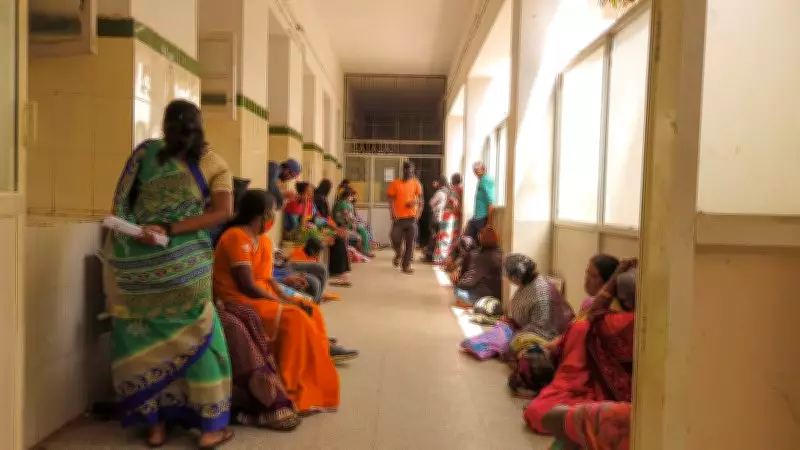
Fear is an ever-present companion in hospital corridors. For patients, it manifests as anxiety over diagnoses, the uncertainty of treatments, and the physical pain of procedures. The sterile smell, the beeping of monitors, and the sight of medical equipment can amplify this sense of dread. Families waiting in lobbies or by bedsides grapple with their own fears—the possibility of loss, the financial strain of medical bills, and the emotional toll of seeing loved ones suffer. This fear is not merely psychological; it has tangible effects, influencing decision-making and overall well-being.
The Beacon of Hope
Amidst this fear, hope emerges as a powerful counterforce. It is found in the reassuring words of a doctor, the small signs of recovery in a patient, or the support of nurses and staff. Hope drives patients to endure painful therapies, believing in a better outcome. It fuels families to stay vigilant, offering comfort and encouragement. Hospitals actively cultivate hope through advancements in medical technology, compassionate care, and success stories of recovery. This hope is not naive optimism but a crucial psychological resource that aids healing and fosters resilience.

The Interplay of Emotions in Healthcare
The dynamic between fear and hope shapes the entire hospital experience. Medical professionals are trained to balance these emotions, providing honest information while maintaining a supportive demeanor. Effective communication is key; clear explanations can alleviate fear, while positive updates can bolster hope. The design of hospital spaces, with natural light and calming colors, also plays a role in mitigating anxiety and promoting a sense of well-being.
For patients, this emotional journey often involves moments of despair followed by glimpses of progress. The fear of the unknown can be paralyzing, but hope acts as a motivator to adhere to treatment plans and engage in recovery. Support groups and counseling services within hospitals help individuals process these feelings, reducing isolation and building emotional strength.
For families, the experience is equally taxing. They must manage their own fears while being pillars of support for their loved ones. The hope for a positive outcome keeps them going, even during long waits and stressful decisions. Hospitals increasingly recognize the importance of family-centered care, offering resources like family lounges and updates from medical teams to ease their burden.
The Broader Implications
This emotional duality extends beyond individual cases to reflect broader societal attitudes toward health and mortality. In an era of medical advancements, there is often an expectation of quick fixes, which can heighten fear when outcomes are uncertain. Conversely, stories of medical miracles fuel hope, inspiring trust in healthcare systems. Understanding this balance is essential for improving patient care and fostering a more empathetic healthcare environment.
- Hospitals serve as microcosms of human emotion, where fear and hope coexist.
- Fear arises from uncertainty, pain, and potential loss, affecting both patients and families.
- Hope is nurtured through medical progress, compassionate care, and personal resilience.
- Effective communication and supportive environments are crucial in managing these emotions.
- The interplay of fear and hope influences recovery outcomes and overall healthcare experiences.
In conclusion, the hospital experience is a profound journey marked by the constant tension between fear and hope. By acknowledging and addressing these emotions, healthcare providers can enhance the quality of care, making hospitals not just places of treatment, but sanctuaries of human connection and healing. This nuanced understanding reminds us that behind every medical chart is a story of courage, vulnerability, and the enduring human spirit.