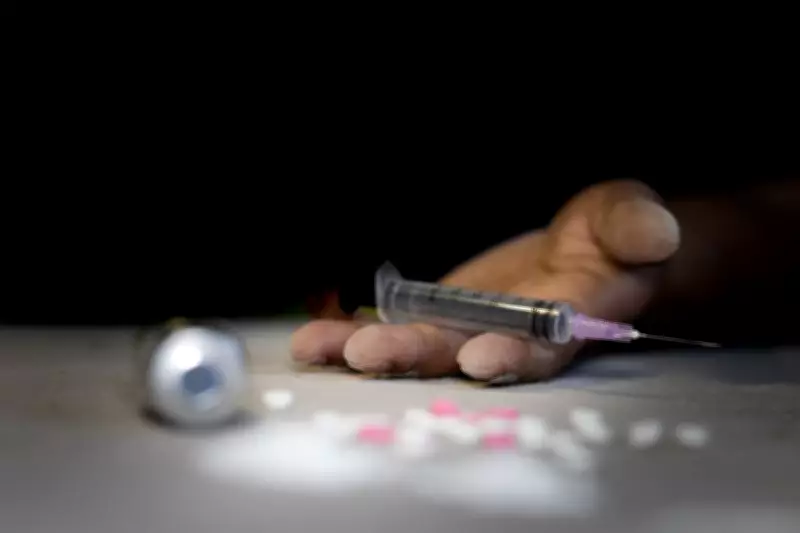
Two MBA Students Die of Drug Overdose at Mumbai Concert
In April, two young MBA students died of a drug overdose at a music concert in Mumbai, prompting arrests of college students for drug delivery and distribution. Around the same time, the Supreme Court granted interim protection to a fourth-year law student found with a prohibited substance, noting that such cases challenge schools and colleges. Drug peddlers may be using students as mules to expand networks and gain customers.
National Scope of Substance Abuse
The 2019 National Survey on Extent and Pattern of Substance Use in India, funded by the Ministry of Social Justice and Empowerment, found that among Indians aged 10–75, alcohol was used by 14.6%, cannabis by 2.8%, opioids by 2.1%, non-medical sedatives by 1.08%, and inhalants by 0.7%. While percentages appear small, the actual numbers run into crores. In December 2014, Prime Minister Narendra Modi addressed the "drug trap" in his Mann Ki Baat programme. Punjab is running a "war on drugs" programme.
Legal and Social Risks for Students
Addiction is a major facet, but students also risk legal trouble and career derailment under the stringent Narcotic Drugs and Psychotropic Substances Act, 1985 (NDPS Act). Substance use critically endangers life and liberty. Students face career anxiety, social media exposure, and social phobia. Risk factors include adverse experiences, trauma, emotional problems, isolation, boredom, easy accessibility, peer and academic pressure, and misinformation. Glamorization of substance use in popular media reduces risk perception, drawing innocent minds toward experimentation that may develop into addiction.

Need for Collective Ownership and Compassion
While law enforcement should target drug peddlers and large suppliers, ordinary citizens must take collective ownership. Family members and academic stakeholders have a crucial role in prevention. Rather than stereotyping or labeling children, physical and mental well-being services should be made available for rehabilitation. Parents and teachers should remain observant of negative behavioral changes. Corrective measures should balance discipline with positive transformation.
Role of Students and Businesses
Students must realize that harmful substances do not solve troubles nor are they "cool." They pose significant health risks. Students should dedicate time to studies, skill development, sports, and meaningful activities. Responsible citizens should promote good lifestyle choices and discourage illicit consumption. Businesses should check IDs before selling alcohol to deter underage consumption.
Year-Round Efforts Needed
Most educational institutions observe the International Day Against Drug Abuse and Illicit Trafficking on June 26 only ceremonially, often when campuses are closed for semester break. The battle against drug abuse requires sustained, year-round efforts focused on awareness, counseling, non-judgmental support, and reintegration. This battle can be won only through care and compassion.