Harish Rana, India's First Passive Euthanasia Case, Cremated in Delhi
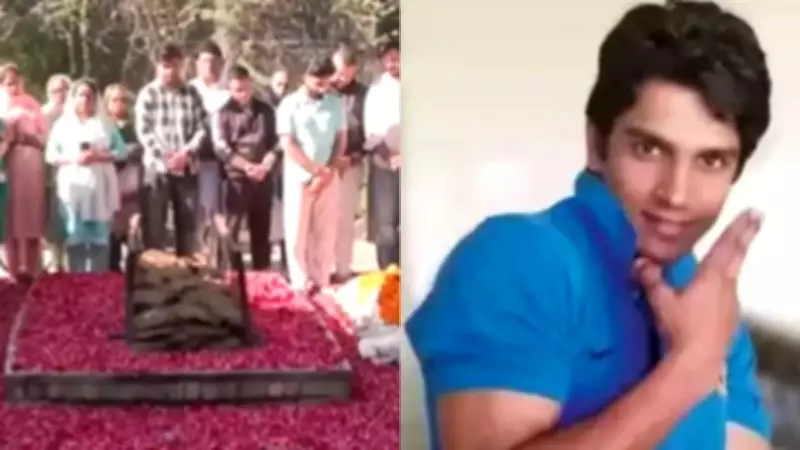
The cremation of Harish Rana in Delhi on Wednesday brought a quiet conclusion to a landmark case that has sparked profound debates about life, dignity, and medical ethics across India. Rana, who became the first individual in the country to be granted passive euthanasia, passed away on Tuesday at the All India Institute of Medical Sciences (AIIMS) after spending more than 13 years in a persistent vegetative state.
A Long and Heartbreaking Journey
Harish Rana had been in a coma since 2013, when he tragically fell from a fourth-floor balcony while pursuing his engineering studies at Panjab University. Medical experts later determined that his condition was irreversible, leaving him dependent on life-sustaining treatments for over a decade. His final rites were conducted at a cremation ground in south Delhi's Green Park, attended by close family members and spiritual volunteers who offered prayers and support.
Supreme Court's Historic Ruling
Earlier this month, the Supreme Court of India made a significant ruling in Rana's case, permitting the withdrawal of life-sustaining medical interventions. This decision marked a rare and pivotal application of passive euthanasia in the Indian legal and medical landscape. The court explicitly clarified that while treatments such as feeding tubes could be discontinued, palliative care must continue to ensure a natural and dignified death for the patient.

In the days leading up to his passing, Rana was transferred from his family home in Ghaziabad to the specialized palliative care unit at AIIMS Delhi, where he received end-of-life care in accordance with the court's directives.
Family's Struggle and Community Support
Back in his neighborhood, residents reflected on the immense challenges faced by Rana's family throughout his prolonged illness. "It is so sad. The family did everything they could for him all these years," one neighbor remarked, highlighting the emotional and financial burdens endured by his parents, Ashok Rana and Nirmala Devi. According to local accounts, the family even sold their home to fund his ongoing medical treatments, demonstrating their unwavering dedication.
In the final days, members of the Brahma Kumaris spiritual organization visited the family to perform rituals and offer prayers. A video shared online captured these moments, with volunteers gently urging Rana to "sleep peacefully," providing a sense of solace during a difficult time.
Implications for Medical Ethics in India
This case has ignited crucial conversations about:
- Patient Rights: The balance between prolonging life and respecting individual dignity in irreversible medical conditions.
- Legal Frameworks: How Indian law addresses complex end-of-life decisions, setting a precedent for future cases.
- Family Hardships: The emotional and economic toll on families caring for loved ones in long-term vegetative states.
As India continues to evolve its healthcare policies, Rana's story serves as a poignant reminder of the delicate interplay between medical science, legal oversight, and human compassion. The quiet cremation in Delhi not only marks the end of a personal tragedy but also underscores the ongoing need for clear guidelines and support systems in such sensitive scenarios.