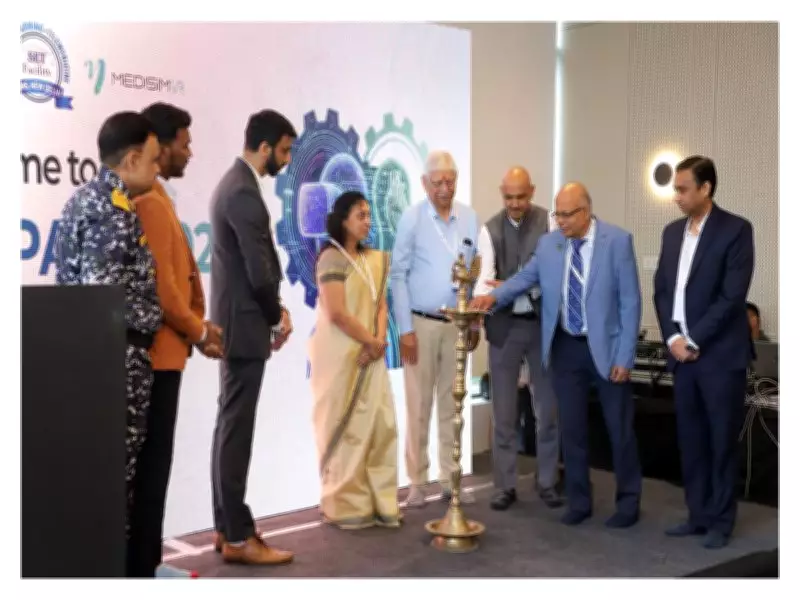
SIMPACT 2026 Unites National Healthcare Leaders to Advance Simulation-Based Healthcare Education in India
The recent SIMPACT 2026 conference served as a pivotal gathering, bringing together national healthcare leaders from across India to champion the cause of simulation-based healthcare education. This high-profile event focused on accelerating the adoption of advanced simulation technologies in medical training, with the overarching goal of improving patient safety and clinical outcomes nationwide.
Key Objectives and Collaborative Efforts
At the core of SIMPACT 2026 was a shared commitment to transform how healthcare professionals are educated in India. Participants, including renowned doctors, academicians, and policymakers, engaged in in-depth discussions to:
- Develop standardized frameworks for integrating simulation into medical curricula.
- Foster partnerships between institutions to share best practices and resources.
- Promote research and innovation in simulation technologies tailored to India's healthcare needs.
This collaborative effort aims to bridge gaps in traditional training methods, offering hands-on, risk-free environments for learners to hone their skills.

Impact on Medical Training and Patient Safety
The emphasis on simulation-based education is expected to revolutionize medical training by providing realistic scenarios that mimic clinical settings. Experts at the conference highlighted several benefits:
- Enhanced Skill Development: Trainees can practice complex procedures repeatedly without endangering patients.
- Improved Decision-Making: Simulations help build critical thinking and emergency response capabilities.
- Reduced Medical Errors: By refining techniques in a controlled environment, the likelihood of mistakes in real-life situations decreases.
These advancements are poised to elevate the overall quality of healthcare delivery, contributing to better patient outcomes and safety standards.
Future Directions and National Initiatives
Looking ahead, SIMPACT 2026 set the stage for several national initiatives. Leaders outlined plans to:
- Establish simulation centers in underserved regions to ensure equitable access to training.
- Integrate simulation modules into continuing education programs for practicing healthcare workers.
- Leverage digital tools and artificial intelligence to create more immersive and adaptive learning experiences.
This forward-thinking approach underscores India's commitment to staying at the forefront of global healthcare education trends.
In summary, SIMPACT 2026 marked a significant milestone in India's healthcare landscape, uniting key stakeholders to drive the adoption of simulation-based education. By fostering innovation and collaboration, this initiative promises to enhance medical training, reduce errors, and ultimately save lives across the country.