Cancer treatment is often described as a battle, but behind every chemotherapy session, another important story unfolds inside the body. While chemotherapy works to destroy cancer cells, the kidneys quietly take on the demanding task of filtering and removing many of these powerful drugs.
The Link Between Chemotherapy and Kidney Health
According to the Indian Council of Medical Research (ICMR), more than 1.4 million cancer cases were estimated in India in 2023, and over 70% of patients are expected to receive chemotherapy. While lifesaving, chemotherapy can sometimes affect kidney function, with studies suggesting that around 20–30% of patients may experience some degree of kidney injury during treatment.
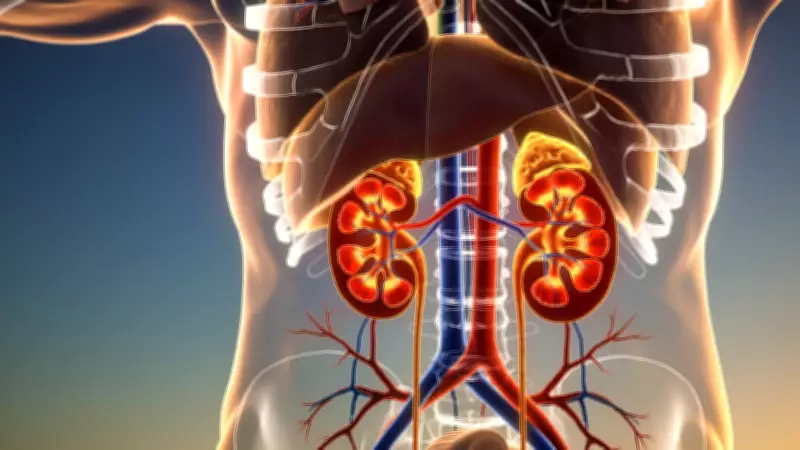
The kidneys are the body's natural filtration system. Every day, they remove waste products, regulate fluids, balance electrolytes, and help maintain overall health. Chemotherapy drugs often pass through the kidneys before leaving the body. In some cases, these medicines can place extra stress on kidney tissues or affect the kidneys' ability to filter efficiently. Certain cancer drugs, especially platinum-based agents such as cisplatin, are known to require careful kidney monitoring during treatment.

Dr Sireesh Kumar C H, Consultant – Medical Oncology, Apollo Hospitals, Bengaluru, explained, “Kidneys play a key role in removing waste and fluid from the body. They do this through filtration, secretion and excretion. These processes can be affected by chemotherapy, and some chemotherapy medicines can directly cause kidney damage.” This is why oncologists routinely assess kidney function before and during treatment.
The Most Powerful Protection: Staying Properly Hydrated
Among all preventive measures, hydration remains one of the most effective. Chemotherapy drugs and their breakdown products need to be flushed out of the body. Adequate fluid intake helps the kidneys perform this task more efficiently and may reduce the concentration of potentially harmful substances passing through them. Cancer specialists often encourage patients to maintain good oral fluid intake unless there is a medical reason to restrict fluids.
Dr Sireesh Kumar said, “Maintain adequate hydration—the single most important measure. Aim for good oral fluid intake unless contraindicated.” Hydration does not simply mean drinking water when thirsty. During chemotherapy, consistent fluid intake throughout the day becomes part of supporting the body's recovery process. While some patients may experience kidney-related side effects during treatment, early monitoring and intervention often improve outcomes and support recovery.
Warning Signs Patients Should Never Ignore
Kidney damage rarely announces itself dramatically in the beginning. Early symptoms can be subtle and easily mistaken for routine treatment side effects. According to Dr Sireesh Kumar, patients should watch for:
- Changes in urination patterns, such as increased frequency or decreased output
- Swelling in the legs, feet, or face due to fluid retention
- Fatigue or weakness
- Nausea and vomiting, which can lead to dehydration and further stress on the kidneys
Regular monitoring is equally important. Blood tests measuring serum creatinine, estimated glomerular filtration rate (eGFR), blood urea nitrogen (BUN), and electrolytes help doctors track how well the kidneys are functioning. Government health agencies also recommend monitoring kidney function through blood and urine testing when there is concern about kidney disease progression.
Everyday Habits That Can Make a Meaningful Difference
Protecting the kidneys during chemotherapy is often about avoiding additional stressors. Dr Sireesh Kumar advised, “Avoid nephrotoxic medications like NSAIDs (diclofenac, ibuprofen), certain antibiotics, IV contrast dyes, and herbal supplements.” Many people assume that herbal remedies are automatically safe, but some supplements may interfere with treatment or increase the burden on the kidneys. Patients should always discuss over-the-counter medicines and supplements with their oncology team.

Managing conditions such as diabetes, high blood pressure, heart failure, and chronic kidney disease is equally important because these illnesses already place pressure on kidney function. Another overlooked step is treating nausea, vomiting, and diarrhoea quickly. These symptoms can cause dehydration, which significantly increases the risk of acute kidney injury.
Can the Kidneys Recover After Chemotherapy?
The encouraging news is that recovery is often possible. Dr Sireesh Kumar noted, “In many cases, kidneys recover from chemotherapy-related damage. When chemotherapy ends, and the kidneys no longer filter toxic chemicals, they may become healthier.” Recovery depends on several factors, including pre-existing kidney disease, the type of chemotherapy used, treatment duration, and whether other therapies such as radiation were also administered. Sometimes oncologists may adjust drug doses based on kidney function to reduce risk while maintaining effective cancer treatment.
When significant kidney injury occurs, treatment may involve dietary changes, medications to manage fluid balance, or, in severe cases, dialysis.