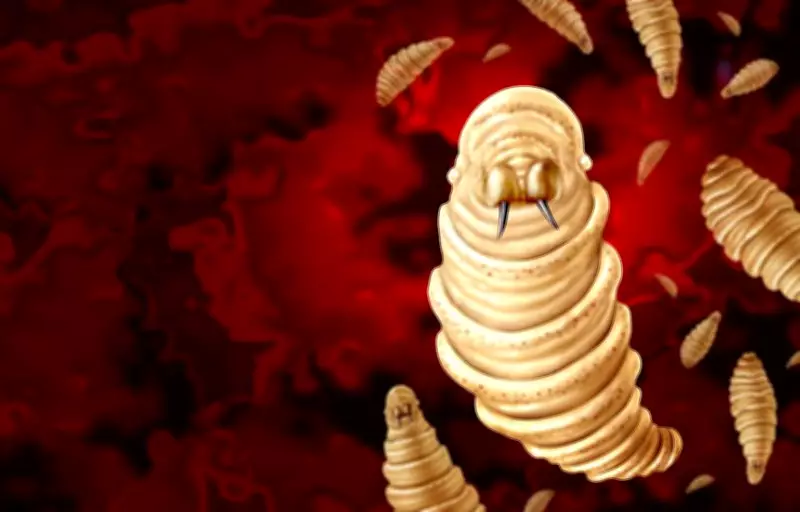
New World screwworm: What pet owners need to know
Pet owners are being urged to stay vigilant as the New World screwworm (NWS) continues to pose a threat to animals. This parasitic fly larvae can infest wounds and cause severe tissue damage, leading to serious health issues or even death if left untreated. Understanding the risks, symptoms, and prevention methods is crucial for keeping pets safe.
What is the New World screwworm?
The New World screwworm (Cochliomyia hominivorax) is a species of blowfly whose larvae feed on the living tissue of warm-blooded animals. Unlike other maggots that consume dead tissue, screwworm larvae invade healthy tissue, causing painful and often fatal infestations. The fly is prevalent in tropical and subtropical regions, including parts of the Americas.
How do pets get infested?
Infestation occurs when adult female flies lay eggs on a wound, scratch, or moist area of an animal's body. Common sites include:

- Open wounds from injuries or surgeries
- Ears, especially in dogs with floppy ears
- Navels of newborn animals
- Mucous membranes (eyes, mouth, genitals)
Once eggs hatch, larvae burrow into the tissue, feeding and growing rapidly.
Symptoms to watch for
Pet owners should monitor their animals for signs such as:
- Lethargy and loss of appetite
- Foul-smelling discharge from a wound
- Visible maggots in or around a wound
- Excessive licking or scratching at a specific area
- Swelling or inflammation
Prevention tips
Preventing screwworm infestations involves:
- Keeping wounds clean and covered
- Treating any cuts or scrapes promptly
- Using insect repellents approved for pets
- Regularly checking pets for signs of flies or larvae
- Quarantining new animals before introducing them to the household
Treatment options
If an infestation is suspected, immediate veterinary care is essential. Treatment typically involves:
- Removal of larvae manually
- Cleaning and debriding the wound
- Administering antibiotics to prevent secondary infections
- Using topical or systemic insecticides to kill remaining larvae
In severe cases, surgery may be required to remove damaged tissue.
Why this matters now
Recent reports indicate an increase in screwworm cases in certain regions, likely due to climate change and movement of animals. Pet owners should stay informed about local outbreaks and follow guidelines from veterinary authorities.
By staying proactive and educated, pet owners can protect their beloved animals from this dangerous parasite.