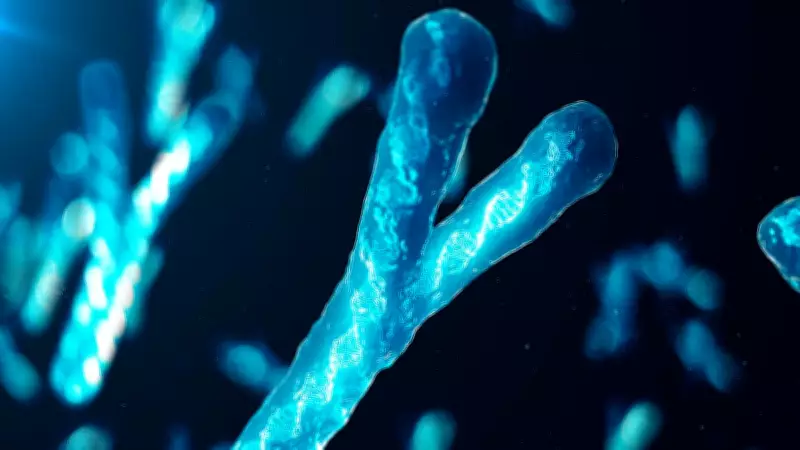
Y Chromosome Loss in Aging Men Poses Serious Health Risks, Research Reveals
Newer scientific studies are uncovering that the absence of Y chromosomes in elderly men is far from harmless, with experts warning of significant health implications. This genetic phenomenon, once thought to be a benign part of aging, is now linked to increased risks of life-threatening conditions such as cancer and heart disease.
Understanding the Genetic Shift
As men age, it is common for some cells to lose their Y chromosomes, a process known as mosaic loss of chromosome Y. Previously, this was considered a normal, inconsequential aspect of aging. However, recent research has challenged this view, suggesting that this genetic loss can have profound effects on male health.
Health Risks Associated with Y Chromosome Loss
Studies indicate that men who experience significant Y chromosome loss face a higher likelihood of developing serious medical conditions. Key findings include:

- Increased Cancer Risk: The absence of Y chromosomes has been correlated with a greater incidence of various cancers, as these chromosomes play a role in regulating cell growth and preventing tumor formation.
- Heart Disease Vulnerability: Research shows that men with Y chromosome loss are more prone to heart attacks and other cardiovascular issues, possibly due to impaired immune function and inflammation.
- Genetic Abnormalities: This loss can lead to genetic instability, contributing to diseases like Alzheimer's and accelerating the aging process.
Expert Insights and Implications
Genetic researchers emphasize that this discovery shifts the understanding of male aging. "We can no longer dismiss Y chromosome loss as harmless," says one expert. "It's a critical biomarker for predicting health outcomes in elderly men." This insight could lead to new diagnostic tools and targeted therapies to mitigate these risks.
Ongoing studies aim to explore the mechanisms behind this link and develop interventions. For now, experts advise regular health screenings for older men to monitor for signs of Y chromosome loss and associated conditions.