Every day, patients arrive at emergency departments convinced they are having a heart attack — a racing pulse, tightness in the chest, difficulty breathing and a crushing sense of dread. After careful assessment, however, the diagnosis is often not cardiac at all. They are experiencing a panic attack.
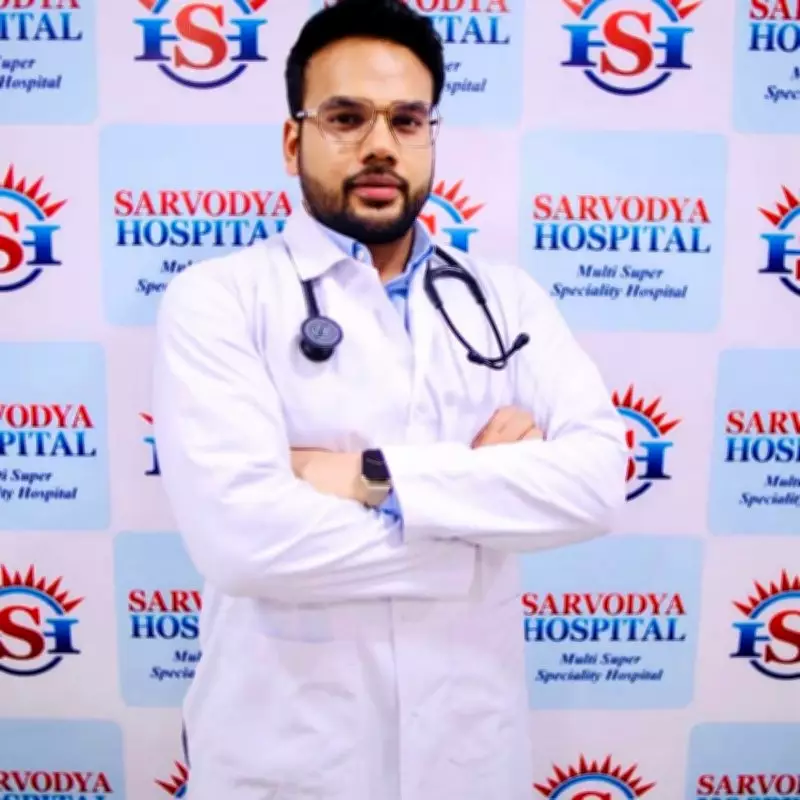
This phenomenon is more common than many people realise, says Dr Deebanshu Gupta, Interventional Cardiologist at Sarvodya Hospital, Jalandhar.
What is a panic attack?
A panic attack is a sudden episode of intense anxiety or discomfort that reaches its peak within minutes. The body perceives a threat — real or imagined — and responds by releasing stress hormones. This can trigger a racing heart, shallow breathing, dizziness, sweating, trembling, numbness and a feeling of losing control. The symptoms are real, physical and often deeply distressing. However, it is important to understand that panic attacks, while frightening, are not life-threatening.

Who is at risk, and why now?
Panic attacks do not discriminate. Chronic workplace pressure, inadequate sleep, financial worries, strained relationships and excessive screen time have become part of daily life for many working-age Indians and are among the leading triggers. The risk can be further increased by high caffeine intake from coffee or energy drinks, smoking, alcohol consumption, certain medications and unresolved emotional trauma. The pace of modern life, too, often adds to the burden.
Distinguishing between panic and a cardiac emergency
Understanding the difference is crucial. If chest pain radiates to the arm or jaw, or if shortness of breath, cold sweats or loss of consciousness persist, immediate medical attention should be sought. When in doubt, always consult a doctor first. Attempting to diagnose yourself is a risk not worth taking.
Short-term coping strategies
Once a cardiac cause has been ruled out, panic episodes often respond well to simple and accessible techniques. The first step is to regain control of your breathing. Breathe in deeply through your nose for a count of four. Hold your breath briefly, then exhale slowly through your mouth. Repeat the process until you begin to feel calmer.
Grounding techniques can also help. The “5-4-3-2-1” method encourages you to focus on five things you can see, four things you can touch, three things you can hear, two things you can smell and one thing you can taste. This helps shift attention away from anxiety and back to the present moment. Additional relief may come from resting in a quiet place, drinking water, loosening tight clothing and stepping away from busy or overstimulating environments.
When should one seek professional help?
If panic attacks become frequent and begin interfering with your daily life, work or relationships, professional support should be sought without delay. Counselling, cognitive behavioural therapy, stress management techniques and appropriate medical care can all be effective. Seeking help is not a sign of weakness. Chronic stress is a recognised cardiovascular risk factor. Protecting your mental health is, in every meaningful sense, also a way of protecting your heart.